
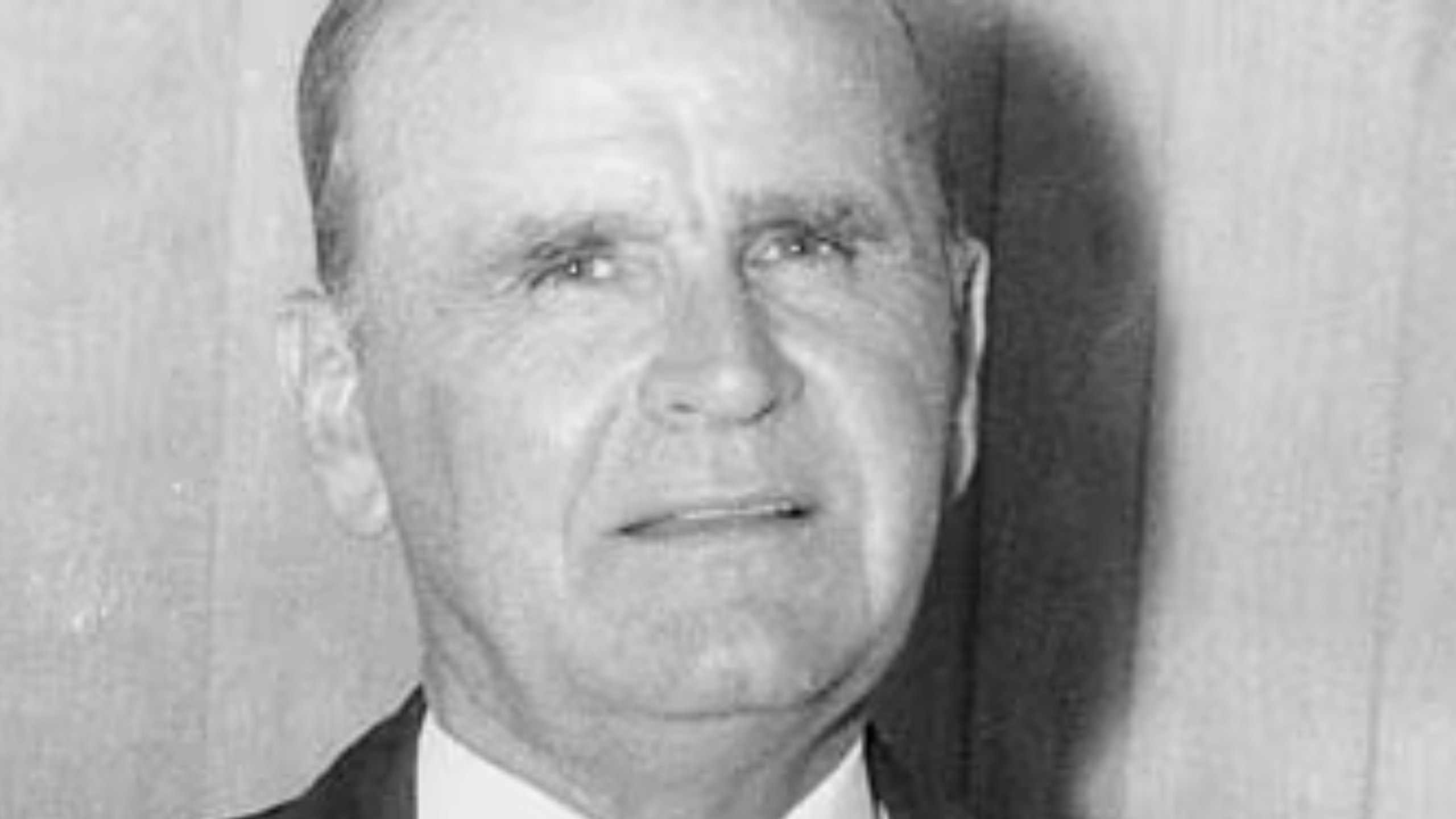
John Collins Discusses William Branham, The Message, Cult Influence, and Recovery in In-Sight Journal Interview
John Collins, author and founder of William Branham Historical Research, was interviewed by Scott Douglas Jacobsen for In-Sight: Independent Interview-Based Journal in a foundational discussion on William Marrion Branham, Branham's influence, the formation and growth of The Message, and the challenges faced by those leaving high-control religious movements.
The interview, published on March 8, 2019, appeared as Part One in Jacobsen's interview series with Collins. The discussion introduced Branham's role in the post-World War II Healing Revival, his lasting influence on Pentecostal and charismatic movements, and the continuing religious following known as The Message.
Collins explained that William Marrion Branham was an American faith healer who became widely known during the mid-twentieth-century healing revival era. Branham's campaigns drew large crowds during a period marked by postwar anxiety, fear of global conflict, the Second Red Scare, and widespread uncertainty. Collins described the revival environment as both religious and therapeutic, offering audiences a temporary release from the pressures of the era.
The interview examined how Branham's public identity was carefully shaped through what Collins described as a stage persona. Branham presented himself as a simple man from rural Kentucky, using stories of hunting, fishing, poverty, tragedy, and spiritual calling to connect emotionally with audiences. Collins argued that Branham's persona was designed to appeal to rural, Southern, working-class, and religious audiences while lowering skepticism toward his claims.
Collins also discussed Branham's shift from earlier Pentecostal associations into a later public narrative in which he claimed to be a Baptist minister newly drawn into Pentecostal experience through supernatural events. According to Collins, Branham's claims about an angelic visitation, a gift of healing, and personal tragedy became central features of his public ministry and were later preserved through hundreds of recorded sermons distributed by Voice of God Recordings.
The interview explored why Branham is widely regarded by critics and former members as a fraud or the leader of a cult-like movement. Collins stated that many former members experience intense emotional upheaval when they first encounter historical information that challenges the Branham narrative they were taught. He explained that The Message contains numerous sects and sub-sects, but most share a theological structure that places Branham at the center of religious authority.
Collins described his own research process as an effort to separate the historical William Branham from the Branham constructed through sermon stories, official movement histories, and doctrinal claims. As conflicting historical records surfaced, Collins began to view Branham's public persona as deceptive and recognized that movement leaders had often preserved later versions of Branham's claims while omitting earlier contradictory material.
A major theme of the interview was how cults and high-control religious groups are created, maintained, and expanded. Collins compared Branham's Message movement with other destructive groups, noting that former members of different movements often recognize similar structures: excessive reverence for a central leader, isolation from outside groups, control of information, manipulation of behavior, and suppression of critical thought.
Collins traced patterns among religious leaders who claimed prophetic identity, including Frank Sandford, John Alexander Dowie, Charles Fox Parham, William Branham, and Jim Jones. He noted that several of these leaders claimed to be connected to the return of Elijah and used similar methods to create authority, attract followers, and gradually separate their groups from broader religious communities.
The interview highlighted the transition common to many destructive religious movements: an initial open-door posture toward other churches and denominations, followed by increasing hostility toward outside groups and the creation of an isolationist mindset. Collins explained that once followers grant unusual power and reverence to a leader, the group must control information and discourage critical examination in order to preserve the leader's elevated status.
Collins also discussed how dress codes, entertainment restrictions, gender rules, behavioral controls, and limited access to critical information help maintain cult identity. He explained that these controls distinguish insiders from outsiders and shift attention away from the leader's flaws by focusing on whether members conform to visible standards.
The interview addressed global outreach as another mechanism of growth. Collins stated that destructive religious movements may find it easier to expand in distant regions where critical information is less accessible. However, he also noted that the information age has weakened many of these systems by allowing former members, researchers, and concerned families to share documents, historical records, testimonies, and analysis across borders.
For questioning followers of The Message, Collins recommended studying the movement deeply, including both official and critical sources. He encouraged members to examine Branham's sermons, history, claims, legacy, and contradictions without limiting themselves to filtered material approved by the movement. Collins described research as both clarifying and therapeutic for former members, helping them understand how manipulation worked and how it shaped their lives.
The interview also discussed how outside agencies, groups, and individuals can assist those trapped in destructive cults. Collins emphasized the need for public awareness, accessible research, counseling, support groups, and trained professionals who understand cult psychology. He noted that many former members leave with spiritual, emotional, social, and financial wounds, sometimes after giving years of income, trust, and identity to the group.
Collins warned that in North America, the trauma of leaving a destructive religious group is often dismissed as a poor religious experience rather than recognized as a serious psychological and social recovery process. He called for greater training in cult dynamics among counselors and psychologists, along with better resources for those exiting high-control groups.
Through the interview, Collins presented Branham's Message as a continuing movement shaped by postwar revivalism, prophetic authority, emotional manipulation, information control, and isolationist theology. The discussion introduced the themes that would become central to Collins's ongoing research: historical accountability, cult recovery, survivor support, and public education about William Branham's influence.