
John Collins Examines William Branham, The Message, the Ku Klux Klan, and Serpent Seed Doctrine in In-Sight Journal Interview
John Collins, author and founder of William Branham Historical Research, was interviewed by Scott Douglas Jacobsen for In-Sight: Independent Interview-Based Journal in a detailed examination of William Branham, The Message, the Ku Klux Klan, Serpent Seed doctrine, and the racial ideologies embedded within Branham's religious movement.
The interview, published on June 22, 2020, appeared as Part Seven in a broader interview series with Collins. The discussion focused on the historical formation of The Message, Branham's relationship to Roy E. Davis, the influence of Ku Klux Klan ideology, the development of Serpent Seed doctrine, and the ways Branham's teachings intersected with white supremacy, anti-integration rhetoric, and Civil Rights-era politics.
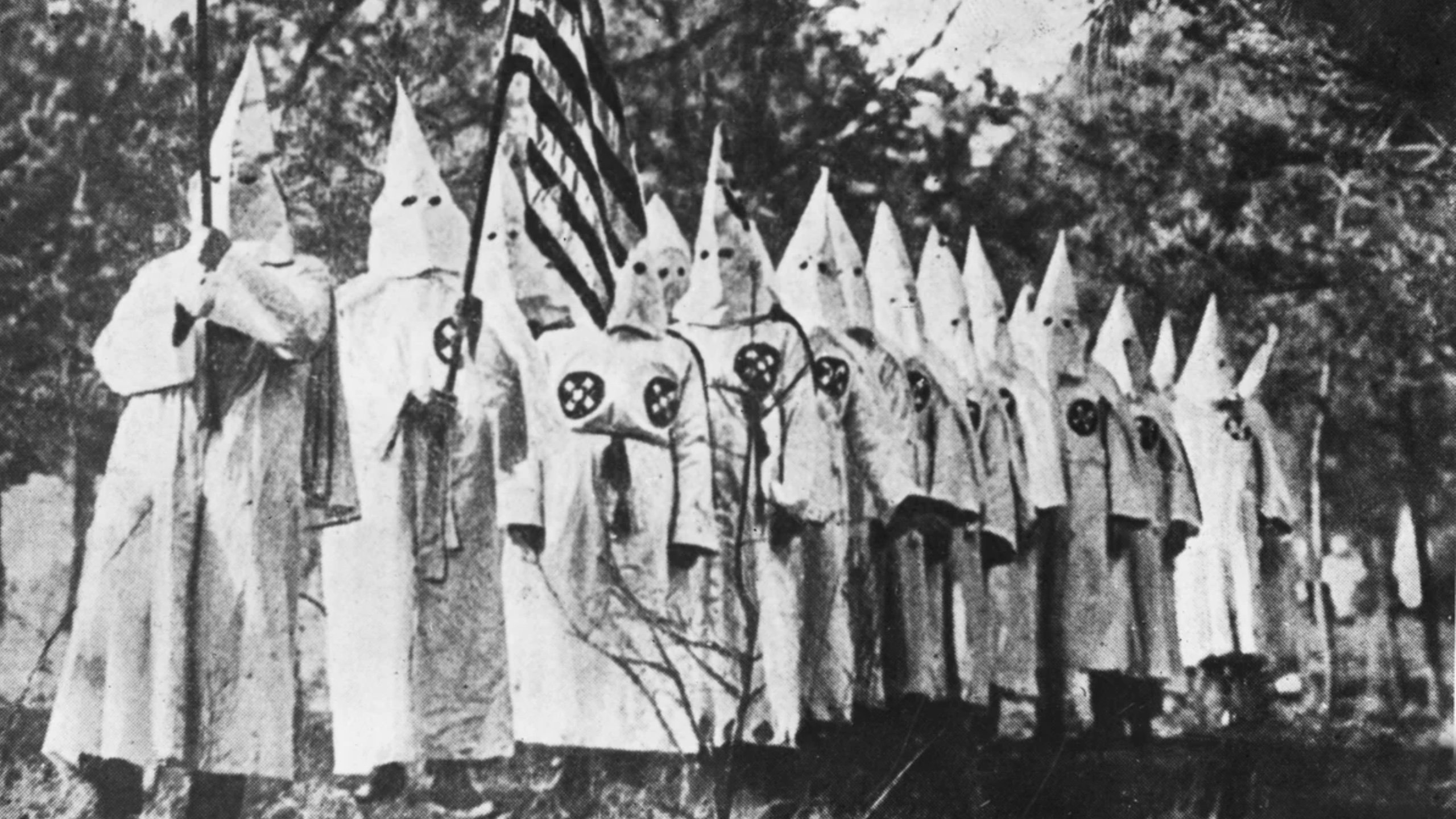
Collins explained that The Message did not develop in isolation, but emerged within a religious and political environment shaped by figures connected to the Ku Klux Klan. He identified Roy E. Davis as a central figure in that history, noting Davis's role as a minister, evangelist, former Klan spokesperson, and the man who trained William Branham in Pentecostalism and faith healing. Collins argued that Davis's influence is critical for understanding the racial and ideological themes later found in Branham's theology.
The interview traced the rebirth of the Ku Klux Klan in 1915 at Stone Mountain, Georgia, and connected that broader movement to Davis, William Joseph Simmons, Congressman William D. Upshaw, and later efforts to reorganize white supremacist networks. Collins stated that Davis eventually established operations in Jeffersonville, Indiana, where Branham was ordained and introduced into the faith-healing ministry. According to Collins, those events formed part of the historical background from which Branham's Message later emerged.
A major portion of the interview addressed Branham's Serpent Seed doctrine. Collins explained that the doctrine closely resembles Christian Identity teaching, a white supremacist theological framework that claims the original sin in Eden involved a sexual union between Eve and the serpent. Collins noted that Branham initially appeared to reject this idea publicly, but later reversed course during the period of intense national conflict over school integration and Civil Rights.
Collins emphasized the timing of Branham's public embrace of Serpent Seed doctrine, particularly in relation to the Little Rock Nine, school desegregation, and organized white supremacist resistance in Arkansas. He argued that Branham's rebranded version of Christian Identity teaching became a fundamental part of Message theology and cannot be separated from the racial climate in which it was promoted.
The interview also examined Branham's statements about Martin Luther King Jr., President John F. Kennedy, and the Civil Rights movement. Collins discussed Branham's claim that King was "communistic inspired" and placed that language within the broader context of the Second Red Scare, when white supremacist groups frequently used accusations of communism to discredit Civil Rights activism. Collins described Branham's anti-Civil Rights rhetoric as religiously framed political messaging that aligned with segregationist arguments of the era.
Collins further addressed Branham's statements about public school integration, education, and African Americans. He noted that Branham repeated themes commonly used by opponents of integration, including the claim that African American schools were already sufficient and that outside agitators were responsible for racial unrest. Collins argued that Branham's authority among followers would have given those statements significant influence within Message communities and related religious circles.
The interview explored Branham's use of racially charged descriptions of African people and cultures, particularly in sermons related to his South African campaigns. Collins argued that Branham's descriptions often misrepresented urban African populations, Pentecostal communities, and Christian converts by portraying them through stereotypes of heathenism, tribalism, and spiritual darkness. Collins connected those descriptions to broader patterns of white supremacist propaganda and religious racialization.
Collins also discussed the deeper implications of Branham's Serpent Seed teaching, including its relationship to gender, race, education, and the concept of the "Bride." In Message terminology, the Bride refers to Branham's elect followers, those believed to possess special revelation unavailable to outsiders. Collins explained that Branham's doctrine functioned on multiple levels: a public theological version, a private racialized version, and an internal cultic version that cast evil as a hidden bloodline or spiritual lineage detectable only through Branham's revelation.
Throughout the interview, Collins presented Branham's theology as both religious and political, arguing that its doctrines helped reinforce authoritarian control, racial hierarchy, gender subordination, and opposition to education and Civil Rights. He described Branham's teachings as part of a broader system of prophetic authority in which followers were taught to interpret scripture, politics, race, and salvation through Branham's claimed revelations.
The interview highlighted Collins's book, Preacher Behind the White Hoods: A Critical Examination of William Branham and His Message, which expands upon the historical connections discussed with Jacobsen. The book examines Branham's background, Roy E. Davis, Ku Klux Klan influence, Serpent Seed doctrine, Christian Identity themes, and the racialized theology that shaped key portions of The Message.
By documenting these connections, Collins sought to provide readers with a historical framework for understanding how extremist racial ideology can be embedded within religious language, prophetic claims, and revivalist movements. The interview called attention to the importance of examining Branham's teachings in their historical context, especially where theology, race, politics, and authoritarian religious control intersect.