
Midwest Outreach Interviews John Collins About Preacher Behind the White Hoods
John Collins Appears On The Midwest Outreach's Webcast To Discuss William Branham, Preacher Behind The White Hoods, And The Historical Roots Of The Message Movement
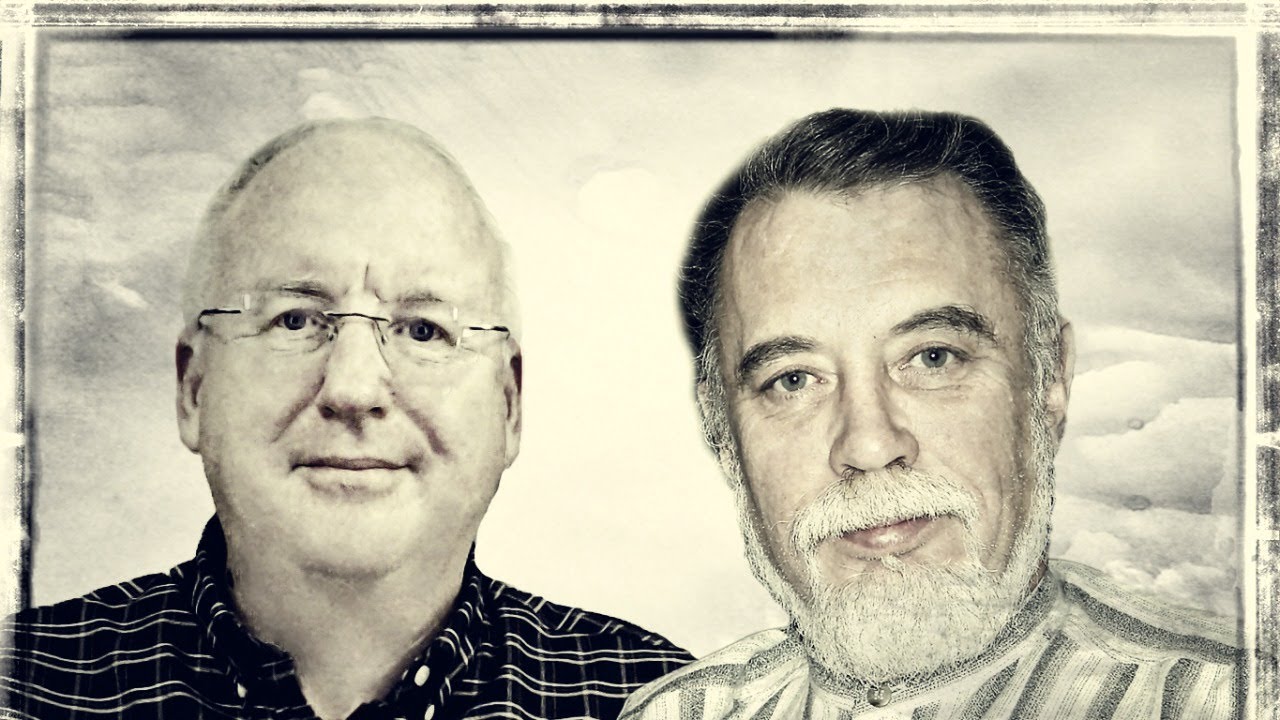
John Collins, founder of William Branham Historical Research, appeared on The Unknown Webcast from Midwest Christian Outreach for a discussion on his book Preacher Behind The White Hoods: A Critical Examination Of William Branham And His Message.
The interview examined Collins' research into William Branham, the Message movement, early Pentecostal history, and the religious networks that shaped Branham's public ministry. Collins discussed how his work traces Branham's background through historical records, sermon claims, public documents, and the broader revival culture that helped elevate Branham as a prophetic figure.
Collins explained that Preacher Behind The White Hoods functions as an origin story for understanding Branhamism. The book examines Branham's early influences, his changing public narratives, his relationship to Pentecostal and faith-healing movements, and the ideological environment that shaped the Message movement.
A major focus of the conversation was John Alexander Dowie, an earlier religious leader whose influence reached into later Pentecostal and faith-healing movements. Collins discussed his ongoing research into Dowie and explained how Dowie's leadership model, public claims, religious authority structure, and movement-building strategy helped shape later figures connected to the rise of modern Pentecostalism.
The interview also explored the influence of figures such as F. F. Bosworth, Gordon Lindsay, John G. Lake, and others connected to the healing revival environment that later promoted Branham's ministry. Collins described how several of these leaders helped create the networks, publications, and public platforms that allowed Branham's influence to expand.
Collins discussed Branham's use of multiple public narratives, including conflicting claims about his background, theology, birth year, and calling. He explained that these shifting accounts make careful historical documentation essential for understanding how Branham's image was constructed and preserved.
The discussion also addressed Branham's connection to Roy E. Davis, Branham's early mentor and pastor. Collins described Davis as a central figure in understanding Branham's religious environment, early ordination, church formation, and later doctrinal development.
Collins and the hosts discussed how harmful religious systems can shape a person's entire worldview. Collins described the process of leaving the Message movement, rebuilding identity, re-reading scripture without Branham's interpretive framework, and working through the long-term effects of spiritual and psychological control.
The interview also explored how doctrines from high-control religious environments can migrate into churches that do not openly identify with the original movement. Collins explained that some teachings, assumptions, and patterns of authority can survive even when the original leader's name is no longer attached to them.
Throughout the conversation, Collins emphasized the importance of historical research, public records, survivor testimony, and careful documentation. His work through William Branham Historical Research continues to provide resources for former members, families, pastors, journalists, and researchers seeking to understand Branhamism and its influence.
The appearance on The Unknown Webcast highlighted the need to examine influential religious claims with care, especially when those claims contribute to authoritarian structures, historical revision, or long-term harm within religious communities.