
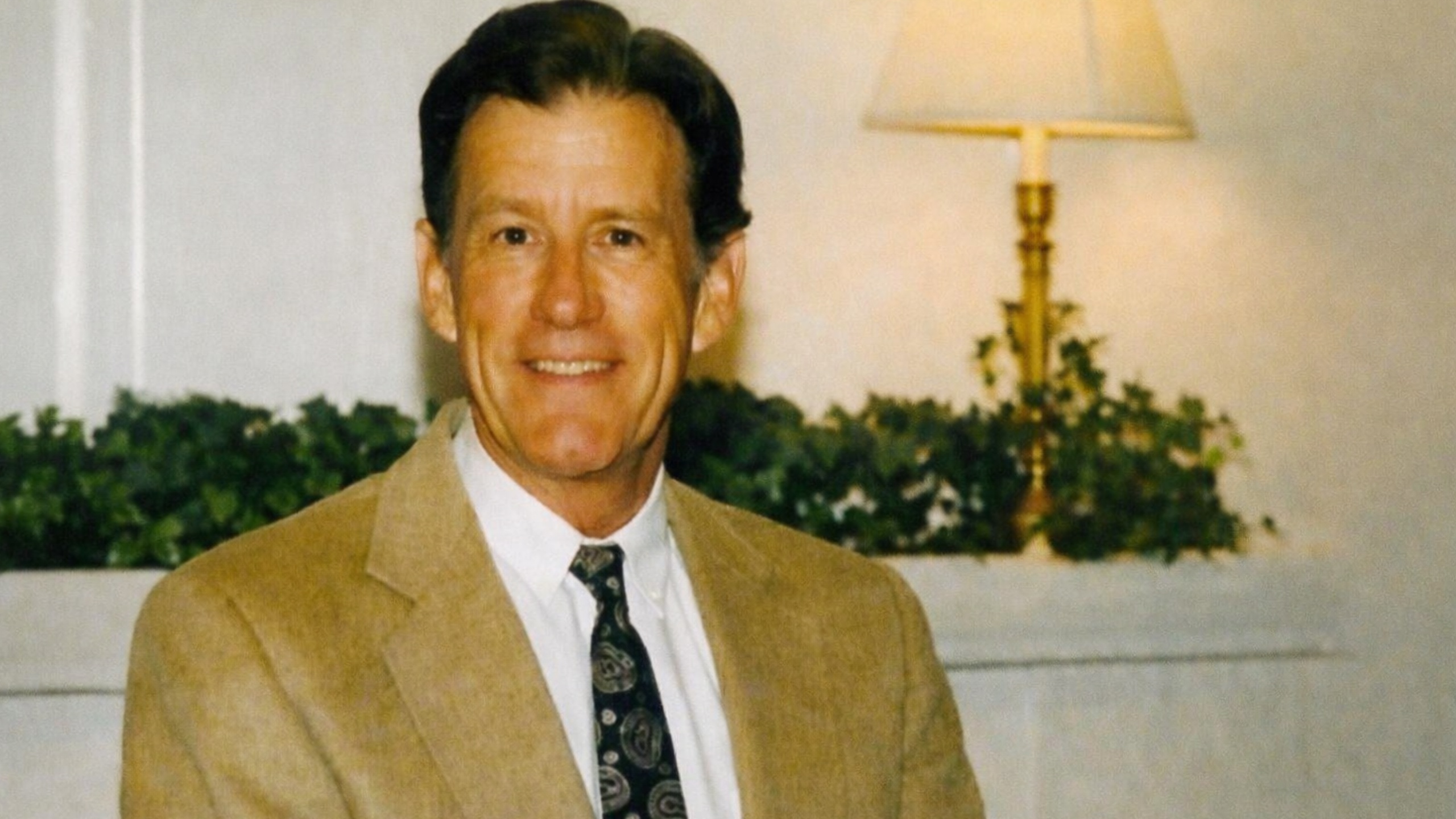
Floyd Patterson and the Business Architecture of William Branham’s Message
Floyd W. Patterson Jr. functioned as a key local custodian of William Branham’s Message by combining pastoral leadership with extensive commercial operations in northern Arizona. Public records show how business ownership, corporate governance, and civic visibility reinforced a personalized authority structure that sustained Branham’s cult-of-personality after his death.
Floyd W. Patterson Jr. functioned as a local custodian of William Branham’s Message in northern Arizona after Branham’s death, combining pastoral authority with public promotion of Message-aligned meetings. Newspaper advertisements identified Patterson as pastor of Flagstaff Tabernacle while inviting the public to multi-day services explicitly organized around his leadership, demonstrating that his role was not informal or peripheral but institutionally presented to the wider community [1]. The use of large public venues for these meetings reinforced the continuity of Branham’s movement through recognizable local figures rather than through denominational structures [1].
These public notices also show that Patterson’s pastoral identity was consistently foregrounded in connection with the church, a pattern characteristic of post-Branham leadership models in which authority was personalized and centralized. Continued advertising of fellowship services under Patterson’s name in subsequent years indicates an ongoing effort to sustain the Message through stable local leadership, reinforcing Branham’s cult of personality by preserving the authority structure that elevated a single pastor as gatekeeper of teaching and practice [2].
Flagstaff Tabernacle and Pastoral Leadership
Floyd W. Patterson Jr.’s leadership at Flagstaff Tabernacle was presented publicly and consistently through newspaper advertisements that named him explicitly as pastor, reinforcing a centralized and personalized authority structure [3]. These notices framed the congregation as non-denominational while simultaneously situating Patterson as the sole identifiable leader, a pattern that aligned with post-Branham Message churches where pastoral authority functioned as the local embodiment of Branham’s teachings rather than as part of a broader ecclesial hierarchy [3].
The repeated promotion of scheduled services and fellowship meetings over successive years indicates that Patterson’s role was stable and institutionalized rather than temporary or itinerant [4]. By anchoring church identity to his own name in public communications, Patterson reinforced a leadership model in which spiritual legitimacy flowed through an individual figure. This model mirrored the broader cult-of-personality dynamics inherited from William Branham’s movement, where continuity was maintained by elevating trusted pastors as custodians and interpreters of the Message [4].
Integration of Business Enterprises and Religious Authority
Floyd W. Patterson Jr.’s pastoral leadership at Flagstaff Tabernacle developed in parallel with his control of multiple commercial enterprises, creating an overlap between religious authority and business influence that was publicly visible in local newspapers [5]. Advertisements and legal notices identify Patterson as owner or principal officer of Northern Arizona Roofing Company and Patterson’s Cashway Lumber Company during the same period in which he was named pastor of Flagstaff Tabernacle, demonstrating that his religious role coexisted with significant commercial operations [6].
This convergence of roles positioned Patterson as both a spiritual leader and an economic actor within the same community, reinforcing patterns of trust and dependency that extended beyond church services alone [5]. By operating businesses that served the local construction and materials market while simultaneously leading a Message-aligned congregation, Patterson embodied a model of leadership in which economic credibility and religious legitimacy mutually reinforced one another. Such integration mirrors broader dynamics within Branham’s movement, where loyalty to leadership was often strengthened through control of institutions, resources, and networks that shaped daily life for adherents [6].
Northern Arizona Roofing Company: Formation, Licensing, and Operations
Public filings and advertisements document the formal incorporation and operational scope of Northern Arizona Roofing Company during the period of Floyd W. Patterson Jr.’s pastoral leadership, indicating an organized commercial enterprise rather than a casual or short-term venture [7]. Articles of incorporation list Patterson as an incorporator and officer, establishing his legal control over the company and defining a broad mandate to engage in roofing and building-materials activities across retail and wholesale markets [8].
Newspaper reporting further shows that the company operated within state regulatory frameworks, including licensing and bonding requirements, and that lapses in compliance were publicly addressed and corrected [9]. Coverage of a temporary license suspension attributed to a bonding error, followed by reinstatement, demonstrates both the visibility of Patterson’s business dealings and his willingness to publicly respond to regulatory scrutiny. These records illustrate how Patterson’s commercial credibility was maintained through formal corporate structures and public accountability, reinforcing his standing in the community at the same time he exercised religious authority [7][9].
Patterson’s Cashway Lumber Company and Related Corporate Entities
Contemporary newspaper advertisements and legal notices establish Floyd W. Patterson Jr.’s ownership and operation of Patterson’s Cashway Lumber Company during the same period in which he exercised pastoral leadership at Flagstaff Tabernacle [10]. Business advertisements identified Patterson explicitly as owner, while public filings linked the lumber company to corporate entities under his control, demonstrating that the enterprise functioned as a formal commercial operation rather than an informal sideline [10][11].
Court records and legal notices further show that Patterson’s business interests were periodically involved in civil actions and financial disputes, placing his companies within the public record as defendants or named parties alongside banks, contractors, and other commercial actors [12]. These documents indicate that Patterson’s economic activities were interwoven with legal and financial obligations typical of substantial business operations. The visibility of these disputes, combined with Patterson’s concurrent religious authority, illustrates how economic power and spiritual leadership coexisted within a single individual, reinforcing a leadership model in which institutional trust extended across both church and commerce [11][12].
Use of Public Facilities and Community Visibility
Newspaper advertisements show that Floyd W. Patterson Jr. routinely organized Flagstaff Tabernacle services and meetings in prominent public venues, including the Coconino High School Auditorium, rather than in private or exclusively church-owned facilities [13]. The repeated use of large civic spaces indicates an intention to project legitimacy, scale, and permanence, presenting the congregation as an established public presence within the broader Flagstaff community rather than a marginal or fringe group [13].
This visibility strategy aligned with Patterson’s broader pattern of public engagement through business advertising and legal notices, which kept his name consistently before the local population in both commercial and religious contexts [14]. By occupying public space for worship while simultaneously operating well-advertised businesses, Patterson reinforced a recognizable personal brand that blended civic participation, economic activity, and spiritual leadership. Such practices helped normalize Message-affiliated leadership within everyday community life and strengthened the cult-of-personality dynamic by associating religious authority with familiar and trusted public institutions [13][14].
Legal Actions, Financial Disputes, and Court Records
Court notices and legal filings published in local newspapers place Floyd W. Patterson Jr.’s business entities within a pattern of recurring civil actions and financial disputes, documenting the legal pressures associated with his commercial operations [15]. Summonses and notices list Patterson, his corporations, and affiliated businesses as named parties alongside banks, contractors, and other commercial defendants, indicating involvement in litigation related to debts, contracts, or property interests [15].
These records demonstrate that Patterson’s enterprises were sufficiently substantial to attract formal legal scrutiny and that such matters were handled within the public judicial system rather than privately [16]. The coexistence of these legal disputes with Patterson’s continued pastoral leadership underscores the dual nature of his public role: while presenting himself as a spiritual authority within the Message community, he simultaneously navigated the risks and obligations of complex business activity. The visibility of these disputes in the public record further illustrates how Patterson’s authority operated at the intersection of religion, commerce, and law, reinforcing a centralized leadership model that absorbed both success and controversy without apparent separation between church and business identity [15][16].
Corporate Structure, Incorporation Practices, and Governance
Corporate filings published in local newspapers document the formal legal structures through which Floyd W. Patterson Jr. organized and governed his business interests, demonstrating deliberate use of incorporation to manage authority, liability, and control [17]. Articles of incorporation named Patterson as incorporator and lawful agent, granting him responsibility for accepting service of process and positioning him as the central point of accountability for corporate actions [17]. These filings establish that Patterson’s enterprises were not informal ventures but legally constituted entities operating under Arizona corporate law.
Additional notices outline corporate duration, renewal provisions, and governance mechanisms, indicating long-term planning rather than short-lived experimentation [18]. By structuring his businesses through corporations with defined governance and renewal terms, Patterson consolidated operational control while projecting stability and legitimacy. This approach parallels the leadership patterns evident in his pastoral role, where authority was similarly centralized and institutionalized. The alignment between corporate governance practices and religious leadership further illustrates how Patterson’s influence was reinforced through formal structures that blended legal authority with personal control [17][18].
Implications for Cult-of-Personality Dynamics within Branham’s Movement
The documented convergence of Floyd W. Patterson Jr.’s pastoral authority, commercial control, and public visibility illustrates how William Branham’s cult-of-personality dynamics persisted after Branham’s death through trusted local figures rather than through centralized denominational governance [19]. Newspaper advertisements and legal records show that Patterson’s authority was continually reinforced by formal institutions—church meetings in public venues, incorporated businesses, and legally recognized corporate roles—creating a framework in which loyalty to leadership was stabilized by familiarity, continuity, and perceived legitimacy [19][20].
This pattern demonstrates how post-Branham leadership adapted to the absence of its founder by embedding authority within everyday economic and civic structures. Rather than relying solely on overt theological claims, Patterson’s leadership was normalized through repeated public association with churches, businesses, and legal institutions, reducing the appearance of sectarian isolation while preserving hierarchical control [20]. The result was a localized but durable expression of Branham’s cult of personality, sustained by pastors who functioned simultaneously as spiritual gatekeepers and institutional managers, ensuring that authority remained personalized, centralized, and resilient in the face of external scrutiny [19][20].