
Recent
View All
Charismania
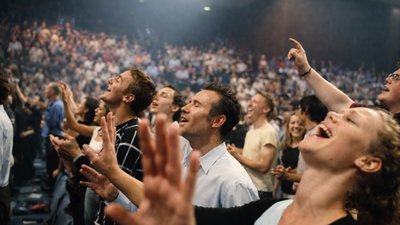
The Modern Charismatic Movement is a broad renewal stream that emerged in the mid-twentieth century as Pentecostal-style practices such as Spirit baptism, speaking in tongues, prophecy, healing, deliverance, expressive worship, and expectation of supernatural gifts spread into mainline Protestant, Catholic, evangelical, and independent churches, reshaping global Christianity while also creating ongoing debates over spiritual authority, discernment, doctrine, emotionalism, and the relationship between subjective experience and biblical accountability.
Christ Gospel Church Cult
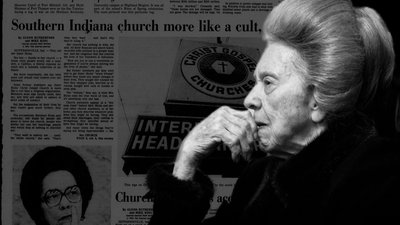
Christ Gospel Church is a Branham-influenced religious movement that developed as a splinter group from William Branham's "Message" following, combining Pentecostal restorationism, prophetic authority, end-time expectation, and highly specialized spiritual teachings into a separate system of doctrine and devotion, while retaining many of the dynamics common to Message-related groups, including reverence for Branham's ministry, separation from mainstream Christianity, and strong loyalty to a distinctive interpretation of biblical truth.
Christ for the Nations
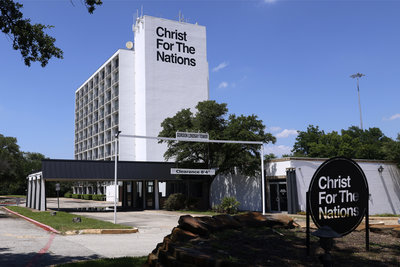
Christ for the Nations is a Dallas-based charismatic Bible institute and ministry founded by Gordon and Freda Lindsay, whose roots in the postwar healing revival connected it to figures such as William Branham and to the wider Latter Rain atmosphere of restorationism, healing, prophecy, impartation, and end-time revival expectation, making it an important bridge between mid-century Pentecostal healing campaigns and later charismatic networks that carried many of the same ideas into modern prophetic, apostolic, and New Apostolic Reformation-adjacent movements.
Christian & Missionary Alliance
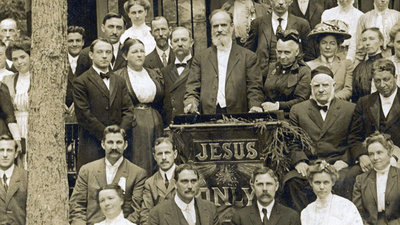
The Christian and Missionary Alliance is an evangelical missions movement founded by A. B. Simpson in the late nineteenth century, emphasizing Jesus Christ as Savior, Sanctifier, Healer, and Coming King, with a strong focus on global missions, deeper Christian life, divine healing, evangelism, and church planting, eventually growing from a missionary society into an international family of churches shaped by both evangelical and holiness influences.
Christian Fundamentalism
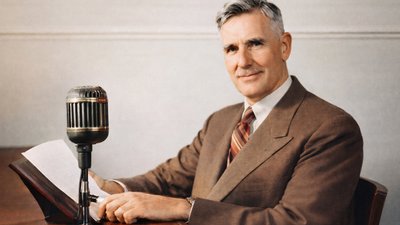
Christian fundamentalism is a conservative Protestant movement that arose in response to theological liberalism, modernism, higher criticism, and cultural change, emphasizing biblical inerrancy, doctrinal purity, personal conversion, separation from perceived compromise, moral boundaries, and defense of core beliefs such as the virgin birth, substitutionary atonement, bodily resurrection, and return of Christ, while also becoming associated in some settings with anti-intellectualism, authoritarian leadership, culture-war politics, and rigid systems of control.
Christian Science
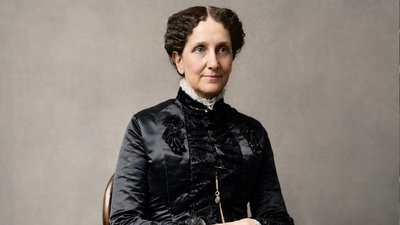
Christian Science is a religious movement founded by Mary Baker Eddy in the nineteenth century that teaches a metaphysical approach to Christianity centered on spiritual healing, the unreality of sickness and matter, and the belief that divine Mind is the ultimate reality, making it influential in American religious history while also controversial because its healing theology has often discouraged reliance on conventional medicine and blurred the line between faith, health, suffering, and spiritual authority.
Church of God
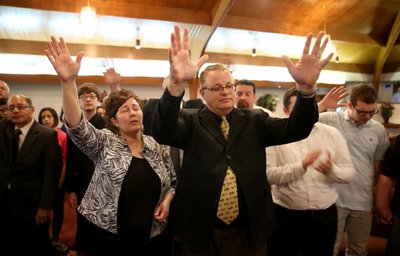
The Church of God is a Pentecostal holiness tradition that grew out of the late nineteenth-century holiness movement and became known for its emphasis on sanctification, Spirit baptism, divine healing, evangelism, holy living, and expressive worship, eventually developing into several denominations and networks, including the Church of God based in Cleveland, Tennessee, which became one of the major Pentecostal bodies in the United States and abroad.
Cold War
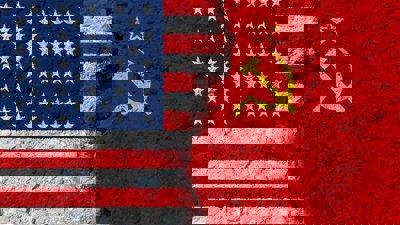
The Cold War deeply shaped American evangelicalism by framing communism as both a political enemy and a spiritual threat, encouraging evangelicals to connect patriotism, anti-communism, missionary urgency, biblical prophecy, religious freedom, and national identity into a powerful worldview in which the struggle between the United States and the Soviet Union was often interpreted as part of a larger battle between Christianity and atheistic evil.
Colonia Dignidad
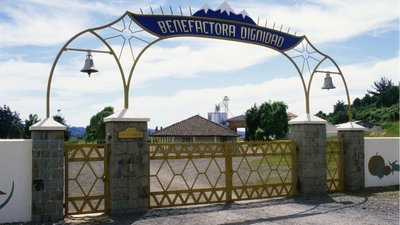
Colonia Dignidad was a German religious commune in Chile led by Paul Schäfer, which the excerpt frames as part of the wider William Branham “Message” network and compares to Jim Jones’ Peoples Temple because both groups combined apocalyptic fear, charismatic authoritarian leadership, isolation in South America, forced labor, family separation, sexual control, physical punishment, and psychological manipulation. The summary argues that Schäfer’s colony developed into a violent cult compound that allegedly sheltered Nazis, collaborated with political repression under Chile’s Pinochet regime, tortured residents and political prisoners, abused children, stockpiled weapons, and used fear-based religious control to prevent escape. It also connects Colonia Dignidad and Jonestown through the influence of William Branham’s healing-revival ministry, anti-communist doomsday prophecy, and authoritarian religious structures, presenting both tragedies as warnings about how secluded religious utopias can become systems of coercion, abuse, and extreme violence when critical thinking is disabled and absolute power is given to a destructive leader.
Deliverance History
Deliverance ministries are forms of charismatic and Pentecostal practice focused on identifying and expelling demons, curses, generational spirits, trauma-linked oppression, or other perceived spiritual bondages through prayer, confession, rebuke, renunciation, and spiritual warfare, often promising freedom and healing but also carrying serious risks when complex emotional, medical, relational, or psychological struggles are reduced to demonic causes or placed under the authority of leaders who claim special power to diagnose hidden spiritual problems.

Faith Assembly: Hobart Freeman
Hobart Freeman's Faith Assembly was an Indiana-based sect that combined strict fundamentalist doctrine, authoritarian leadership, divine healing absolutism, and rejection of conventional medical care into a high-control religious system, becoming notorious for preventable deaths among members who were taught to rely on faith alone for healing, making it a stark example of how rigid theology, isolation, fear, and spiritual authority can turn religious conviction into coercive and deadly control.
Fellowship Foundation
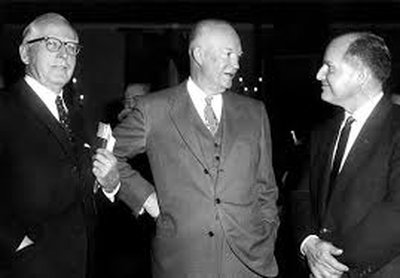
The Fellowship Foundation, often associated with the National Prayer Breakfast and informal networks of political and religious influence, functions as a bridge between evangelical Christianity and government systems by cultivating private relationships among leaders, emphasizing prayer, personal discipleship, and quiet influence over public institutional visibility, while also raising concerns about how spiritual language, elite access, secrecy, and relational power can blur the boundaries between faith, politics, diplomacy, and governmental authority.
Fraternal Orders
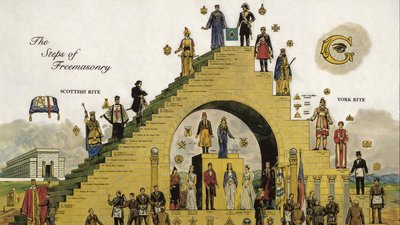
Fraternal orders are membership-based societies organized around brotherhood, ritual, mutual aid, moral formation, secrecy, symbolism, charitable work, and social networking, often functioning as parallel communities of identity and influence within civic, religious, and political life, while also becoming controversial in some Christian settings because their oaths, initiations, esoteric symbolism, hierarchy, and guarded teachings can appear to compete with church authority or blur the line between fellowship, social power, and hidden spiritual allegiance.
Help and Support
The help and support pages for william-branham.org should guide visitors through the website's research tools, archives, topic pages, search features, media collections, source references, and navigation structure, explaining how to find historical documents, compare claims, access podcasts or videos, use resource viewers, understand citations, and explore related topics so that researchers, former members, pastors, journalists, and curious readers can use the site confidently, verify information responsibly, and locate the material most relevant to their questions.
House of David
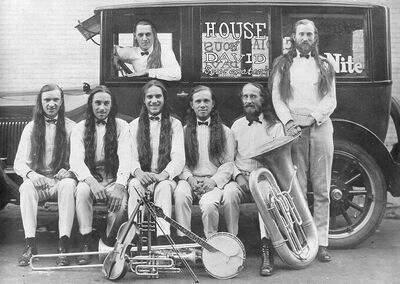
The House of David was a communal religious sect founded by Benjamin and Mary Purnell in Benton Harbor, Michigan, combining restorationist Christianity, celibacy, communal economics, apocalyptic expectation, strict discipline, distinctive appearance, and claims of prophetic leadership into a highly visible alternative religious society, while later becoming controversial because of authoritarian control, internal divisions, and allegations of sexual misconduct against Benjamin Purnell.
International House of Prayer in Kansas City
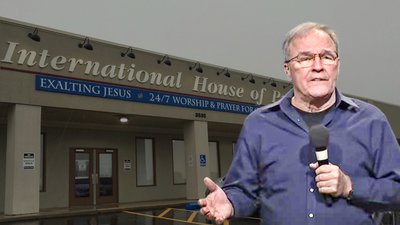
The International House of Prayer in Kansas City (IHOPKC), is a charismatic prayer and missions organization founded by Mike Bickle in 1999, known for its 24/7 prayer room, worship-based intercession, prophetic ministry, end-times teaching, and influence within modern charismatic and New Apostolic Reformation-adjacent circles, while also becoming the subject of major controversy over leadership failures, abuse allegations, and the dangers of spiritually authoritative movements built around prophetic claims and restorationist ideals.
Jehovah’s Witnesses
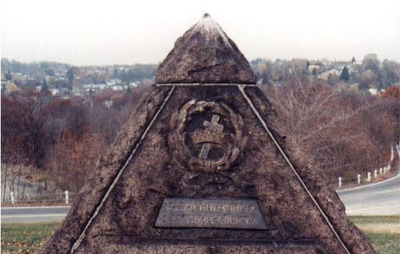
Jehovah's Witnesses are a restorationist religious movement that developed from the Bible Student movement under Charles Taze Russell and later the Watch Tower Society, becoming known for door-to-door evangelism, rejection of the Trinity, distinctive end-times teachings, refusal of blood transfusions, political neutrality, separation from mainstream Christianity, and a highly structured organizational system that claims authority to interpret Scripture and guide members' doctrine, conduct, worship, and social boundaries.
Jesus Movement
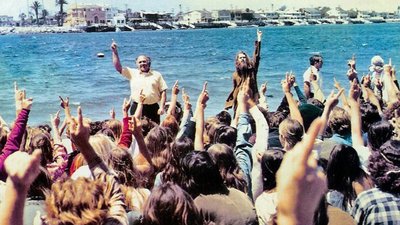
The Jesus Movement was a late 1960s and 1970s revival that brought thousands of young people, especially hippies and countercultural seekers, into a highly expressive form of evangelical Christianity centered on personal conversion, Bible study, communal living, contemporary worship music, street evangelism, and the belief that Jesus offered a radical alternative to both mainstream religion and secular culture.
Jim Jones & Peoples Temple
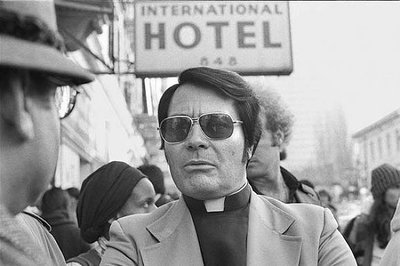
Jim Jones and Peoples Temple began as a racially integrated church movement promising social justice, communal care, healing, equality, and protection for the vulnerable, but it gradually became an authoritarian and abusive religious-political system centered on Jones’s control, paranoia, loyalty tests, isolation, and apocalyptic fear, ultimately ending in the 1978 Jonestown tragedy, where more than 900 people died in one of the most devastating examples of spiritual manipulation, coercive leadership, and communal collapse in modern history.
Latter Rain Movement
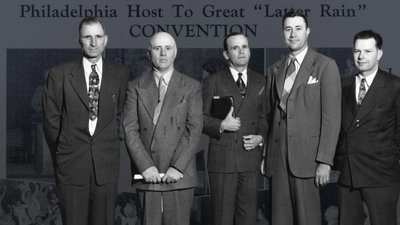
The Latter Rain Movement was a late 1940s Pentecostal revival that emphasized restored apostles and prophets, personal prophecy, impartation through the laying on of hands, healing, spiritual gifts, intense worship, and the belief that God was restoring end-time power and authority to the church before Christ’s return, making it a major influence on later charismatic, prophetic, and New Apostolic Reformation movements.

Mysticism
Mysticism, as it relates to Christian extremism, Pentecostalism, the charismatic movement, and the New Apostolic Reformation, refers to forms of spirituality that prioritize direct supernatural experience, visions, dreams, angelic encounters, prophetic impressions, inner voices, ecstatic worship, and hidden revelation as sources of spiritual knowledge and authority, which can enrich devotional life in some settings but can also become dangerous when subjective experiences are treated as unquestionable truth, used to override Scripture, elevate leaders, justify control, or create movements driven by secrecy, elitism, fear, and claims of special access to God.

New Apostolic Reformation
The New Apostolic Reformation is a modern charismatic and dominion-oriented movement that teaches the restoration of apostles and prophets as governing offices for the church, emphasizes prophecy, spiritual warfare, signs and wonders, strategic intercession, and cultural influence, and often promotes the idea that the church is called to transform society through restored spiritual authority, making it one of the most influential and controversial streams within contemporary charismania.
Organized Crime
Organized crime refers to structured networks or groups that coordinate illegal activity for profit, power, protection, or territorial control, often using secrecy, loyalty codes, intimidation, corruption, money laundering, trafficking, extortion, gambling, fraud, and violence to operate across social, political, and economic systems, making it especially dangerous when criminal influence becomes embedded in businesses, religious institutions, government offices, law enforcement, or community structures that appear legitimate on the surface.
Pentecostal History
Modern Pentecostalism is a global Christian movement rooted in the early twentieth-century revivals that emphasized Spirit baptism, speaking in tongues, divine healing, prophecy, evangelism, holiness, and the active presence of supernatural gifts in the life of the church, eventually expanding from its revivalist origins into major denominations, independent ministries, charismatic networks, prosperity movements, and restorationist streams that have deeply shaped contemporary worship, missions, media, and debates over spiritual authority, experience, and doctrine.
No records found.