
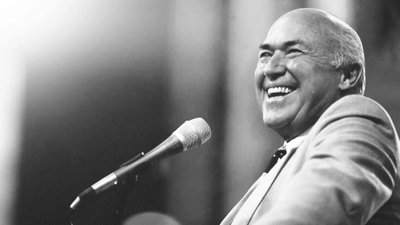
Chuck Smith
Chuck Smith, founder of Calvary Chapel, helped shape the Jesus People Movement while carrying forward influences from Foursquare Pentecostalism, Latter Rain revivalism, and figures connected to William Branham, Paul Cain, Lonnie Frisbee, and John Wimber.
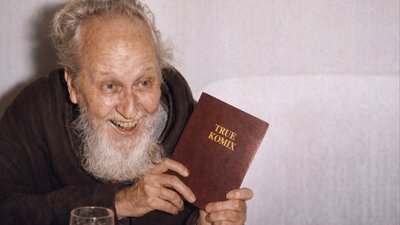
David Berg and William Branham: The Prophetic Roots of the Children of God
David Berg, founder of the Children of God cult, repeatedly credited William Branham and the Latter Rain movement as decisive influences on his theology, prophetic worldview, and rejection of denominational Christianity. This analysis traces how Branham’s prophecies, eschatology, angelology, and racial doctrines were absorbed, adapted, and radicalized within Berg’s movement, contributing to its apocalyptic ideology and abusive practices.
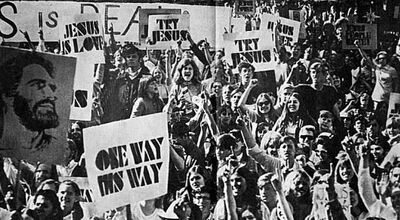
Jesus Movement
In the decades following World War II, American society was gripped by a rising sense of dread over the so-called “youth crisis.” Many people feared that juvenile delinquency, cultural rebellion, and political radicalism would threaten not only family structures but also national survival. With the Cold War escalating, the fear that young people could be captured ideologically[1] —by communism,[2] foreign religion,[3] fascism,[4] or secular humanism —became central to both government propaganda and evangelical strategy.[5] The social upheaval of the 1960s, characterized by the civil rights movement, student protests, and the sexual revolution, only amplified this anxiety, with many conservatives perceiving these shifts as a form of ideological contagion that threatened American values.
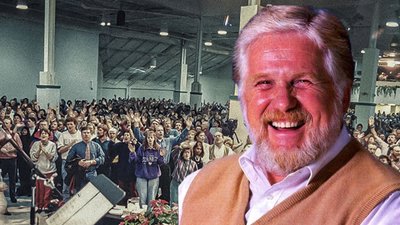
John Wimber
John Wimber was a major architect of late twentieth-century charismatic renewal through the Vineyard Movement, Fuller Seminary, and his collaboration with C. Peter Wagner, promoting "Power Evangelism," signs and wonders, healing, prophecy, spiritual warfare, and present-tense Kingdom theology in ways that helped bridge evangelicalism with Third Wave charismatic practice and later New Apostolic Reformation-adjacent networks; while Wimber framed his theology in an "already/not yet" model rather than explicit dominionism, his platforming of the Kansas City Prophets, connection to Paul Cain and Branham-influenced prophetic streams, engagement with Shepherding and restorationist circles, militarized "army" language, and proximity to the Toronto Blessing made his legacy both highly influential and deeply contested in debates over discernment, authority, prophecy, revival expectation, and the normalization of supernatural experience in modern charismatic Christianity.
No records found.