
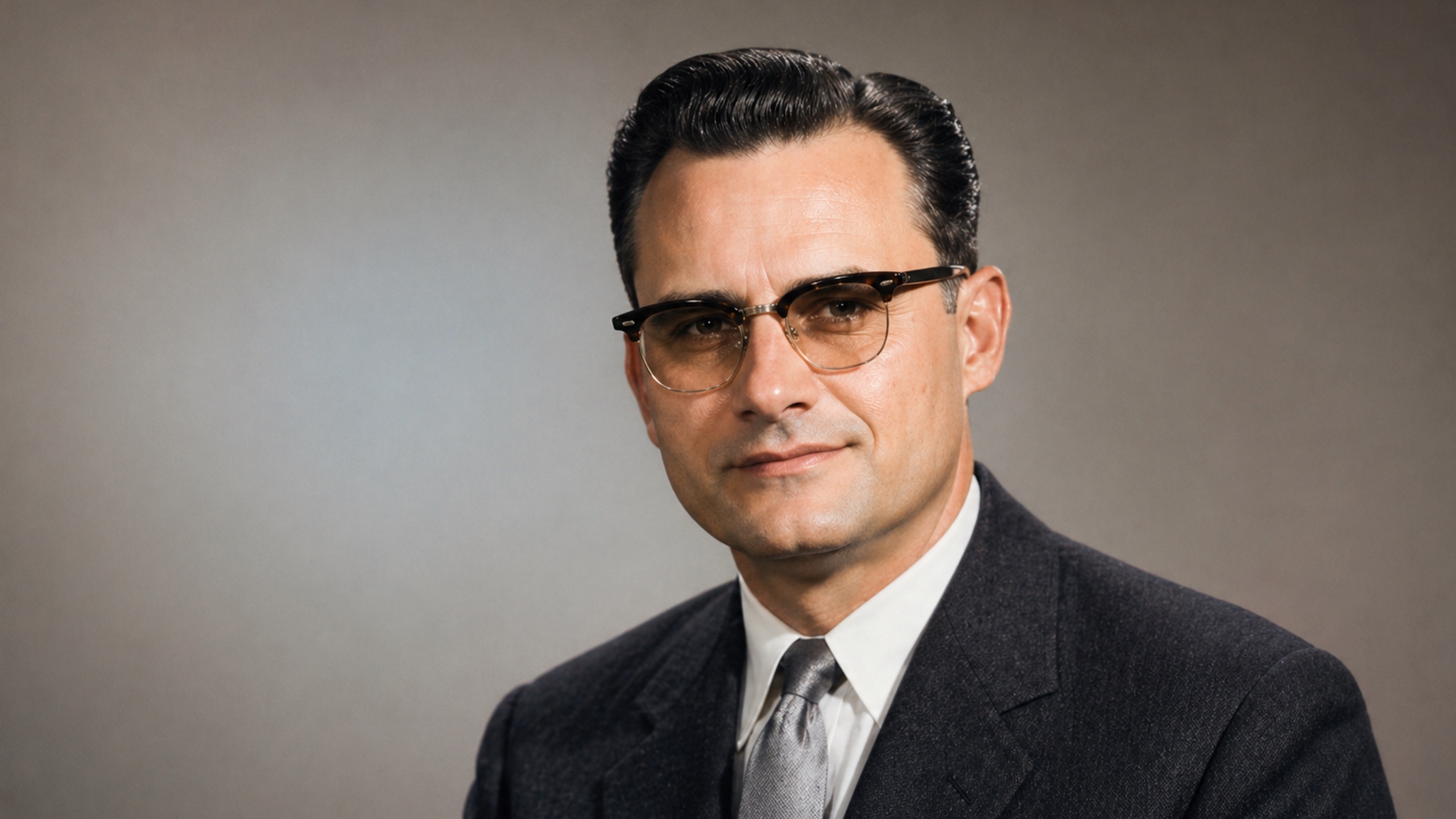
Rev. W. E. Best
Rev. Wilburn Elias Best was a Texas Baptist and later non-denominational minister whose 1950 debate with F. F. Bosworth during William Branham's Houston healing revival became the setting for Branham's famous "halo photograph." Local Baptist ministers had objected to Branham's advertised "miracles every night" campaign and appointed Best to challenge the theology and claims of the traveling divine-healing movement, though Branham's later retellings portrayed Best as angry, defeated, and aligned against God's healing power. Best's own writings show a more nuanced position: he did not deny that God could heal, but rejected what he saw as counterfeit healing ministries that tied salvation to physical healing, exaggerated miracles, and placed evangelists between believers and direct prayer to God. The Houston debate therefore became less a simple clash over healing itself than a contest between Branham's revival mythology and Best's warning against manipulative faith-healing claims.
Rev. Wilburn Elias Best was a Baptist and later non-denominational minister from Texas[1] who was at the center of a debate between Houston Baptists, William Branham, and F. F. Bosworth. It was during this debate that Branham's "halo photograph" was taken in the Sam Houston Coliseum. Best wrote 25 books and pamphlets that were distributed free of charge to further the Gospel through the W. E. Best Book Missionary Trust.[2]
In January of 1950, William Branham and F. F. Bosworth held a two-week healing revival in Houston advertising "miracles every night".[3] Local Baptist ministers condemned the traveling "divine healers" and appointed Rev. Best to speak on behalf of the Baptist convention.[4] It is unclear which side issued the initial challenge. William Branham claimed that the local Baptist ministers challenged him,[5] though Branham was well-known for his challenges to mainstream Christianity during his services and the challenge came towards the end of the two-week revival.
In the aftermath, and largely due to his popularity among the Latter Rain participants, it is clear that William Branham gained the upper hand. Not for the actual debate; William Branham's recorded sermons and publications painted Best as a poor sport who championed the side of the "devil" against "divine healing".
So he said…he wouldn't do it. So the moderator asked, and so he said, 'All right, Mr. Best answer me this.' He said, 'Was the compound names of Jehovah, Jehovah's redemptive, compound names, were they applied to Jesus, yes, or no?' Well, that like to shook me off of the seat up there. Well, Mr. Best thought he couldn't answer. If He was—if He was Jehovah-jireh, the Lord will provide His Sacrifice, if He was—if He wasn't Jehovah-jireh, He isn't the Saviour. And if He is Jehovah-jireh, He's Jehovah-rapha, the Healer. And if He is Jehovah-jireh, and Jehovah-rapha, He's 'the same yesterday, today, and for ever,' so He's just the same Healer. That settled it; nothing could be said no more. So Mr. Best got real angry and begin to stomp up-and-down the floor, and said, 'Bring that Divine healer out, let me see him.'[6]
- William Branham.
Rev. W. E. Best, however, was not against divine healing and preached sermons affirming his belief that God healed people through faith.[7] Instead, Best opposed "counterfeit ministers" that claimed salvation resulted from healing and that a traveling evangelist offered any means to healing that an individual themselves could not access through their own prayer to God.
Satan, the great imitator, has a counterfeit message (Gal. 1:6-9), counterfeit ministers (II Cor. 11:13-15), and counterfeit assemblies (Rev. 2:9). There are magicians with their enchantments (Ex. 7-8), false Christs and prophets (Mark 13:22), sorcerers (Acts 8; 13:8-12), workings by evil spirits (Acts 8:5-11), beasts (Rev. 13:13, 14), and demonic spirits (Rev. 16:14). All false teachers are guilty of flagrant perversions, obvious distortions, and inexcusable unscriptural statements concerning God's word. So-called faith healers are demonically led to claim that sickness passed from the individual to Calvary, and salvation passed from Calvary to the individual. They assume that since the cause was removed, the effect ceased. Their opinion is that our attitude toward sickness should be the same as our attitude toward sin.
- W. E. Best. Faith Healing Part 1