
Baseball: Branham’s Baseball Claims vs Early Church History
William Branham’s later preaching presented baseball—especially church-sponsored teams and Sunday play—as a visible marker of spiritual compromise, and many “Message” congregations adopted this rhetoric as a practical boundary for holiness. Yet the narrative of consistent early opposition sits uneasily alongside evidence of baseball participation within the early Pentecostal church context tied to his ordination, highlighting how later identity-policing could be reinforced by retrospective storytelling.
Later versions of William Branham's stage persona spoke negatively of baseball, especially off-stage. For this reason, many "Message" cult churches do not permit their members to attend or participate in baseball games. According to William Branham, this position was held since his early days in the ministry at the "Missionary Baptist Church" or "First Baptist Church", which is the name Branham used to conceal his early Pentecostal ties with Roy E. Davis and Davis' "First Pentecostal Baptist Church" in Jeffersonville.[1] Branham claimed that the church he participated in with Davis which eventually transitioned to his own did not have a baseball team.
I remember one time I was preaching at my tabernacle, years ago, and there was... when the... I was a Missionary Baptist, and the First Baptist Church downtown, the Sunday school teacher was up there and standing on the outside. And I always did believe in holiness. I believe that a man, if he's borned of the Spirit of God, and led by the Holy Spirit, he will live right. He has to, because the life of God's in him. And then this little fellow was their Sunday school teacher, and we didn't believe our... Our church didn't have any baseball team. They did down there, because they'd bring them in playing Sunday baseball, and things. We didn't believe in it.
Branham, William. 1960, Mar 9. Why. (60-0309)
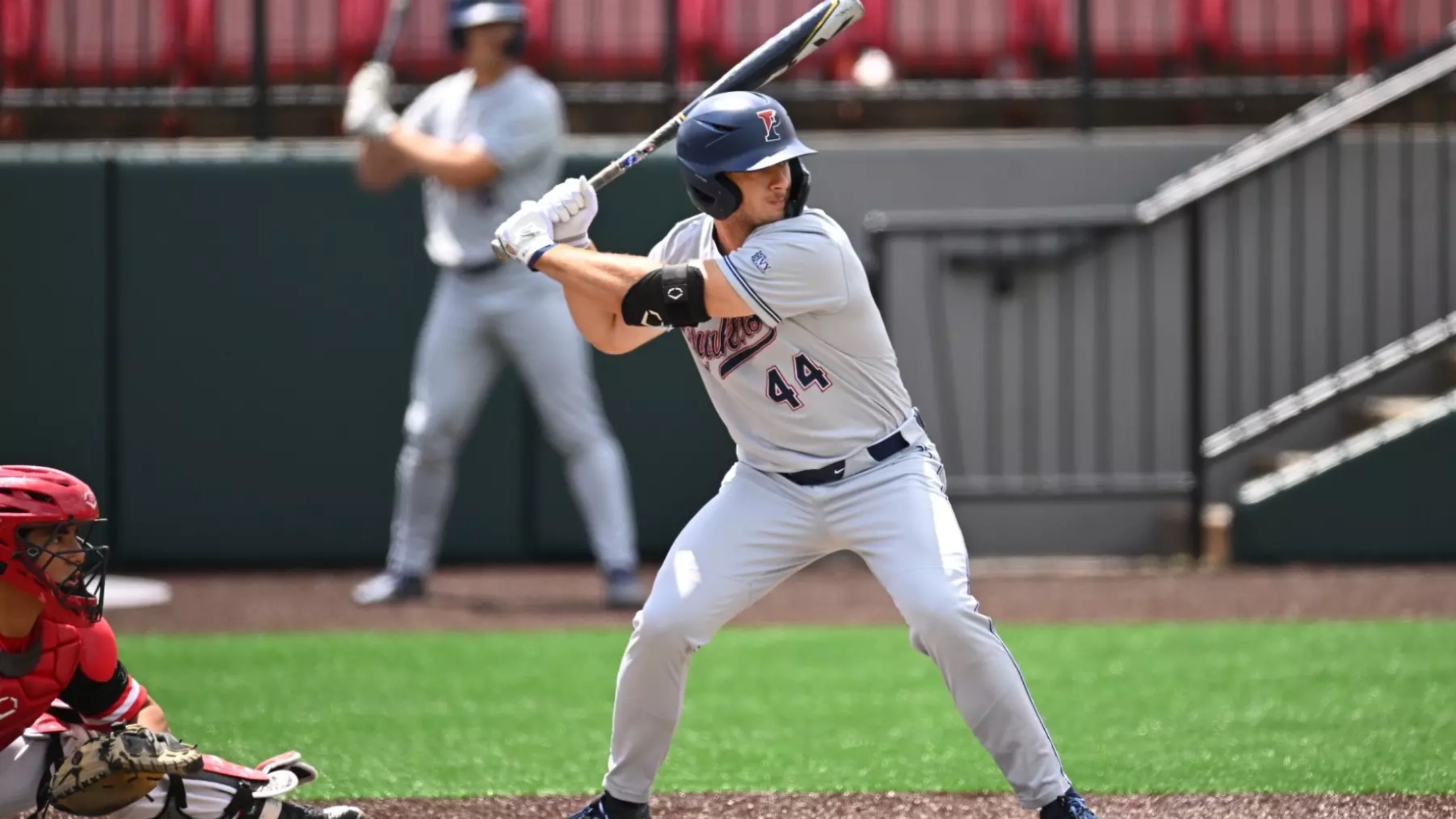
Branham was initially ordained into a Pentecostal church,[2] however, and the First Pentecostal Baptist Church which eventually became the Billie Branham Pentecostal Tabernacle did have a baseball team.[3] History further deviates from later versions of Branham's stage persona in that the team was a part of the Southern Indiana Church League. Branham was specifically against churches having a baseball team, and ministers who did not preach against baseball.
He happened to play on the Colgate's baseball team. And he said, "Well, I don't... They don't do that in my church."
Branham, William. 1961, Apr 13. Why. (61-0413)
Branham's critique of baseball is often presented less as a narrow objection to a sport and more as a diagnostic sign of ecclesial compromise. In this framing, the presence or absence of baseball—especially as an organized church activity—becomes a boundary-marker distinguishing "holiness" communities from churches perceived as accommodating prevailing social norms. The issue is therefore not merely personal recreation, but what baseball allegedly represents: a church's willingness to normalize leisure culture, particularly when it intersects with Sunday observance.
This boundary-making function is reinforced by Branham's frequent use of associative moral reasoning, in which baseball is grouped with other practices he condemns. Rather than arguing the case for baseball in isolation, he places it within a cluster of behaviors presented as mutually reinforcing indicators of spiritual decline. The rhetorical effect is to transform a specific activity into an emblem of broader worldliness, making abstention a visible sign of fidelity and separation.
Not a preacher that's running around over the country, run with other women and things like that. Not a church that practice "free love" and all these ungodly things, and goes to baseball games, and has big entertainments and social dances in the church.
Branham, William. 1955, Apr 3. (55-0403)