
Ku Klux Klan
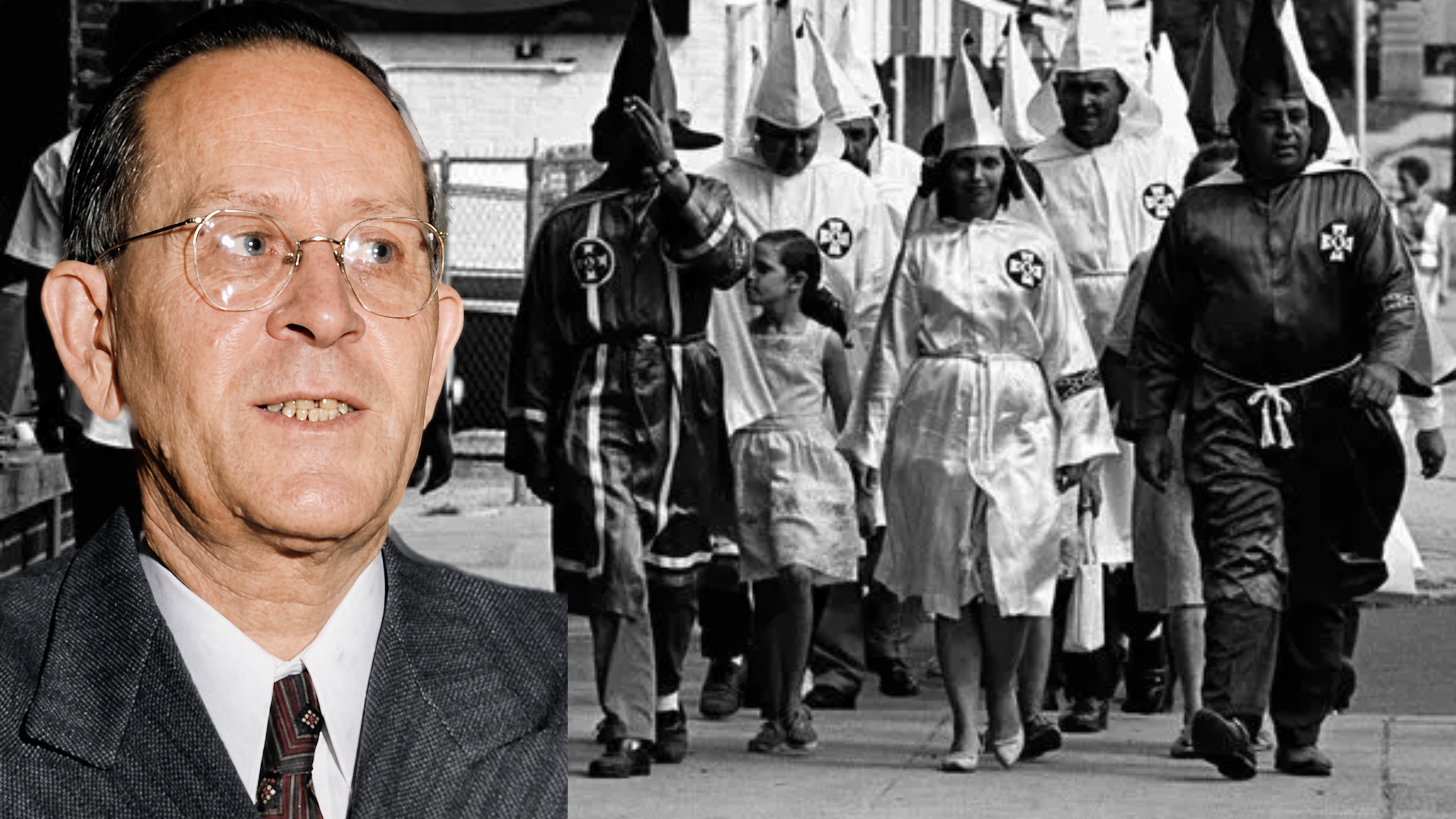
The Ku Klux Klan is an American white supremacist hate group and domestic terroristic organization. The group was organized by William Joseph Simmons as a fraternal order based upon fundamentalist Christian theology, anti-Semitic and anti-Catholic views, and a firm stance against interracial marriage. Roy E. Davis was an official spokesperson for the group during his time in Georgia. William D. Upshaw defended both the group and Simmons in Washington during which time it was learned that Upshaw as a member.
The Ku Klux Klan is an American white supremacist hate group and domestic terroristic organization. The group was organized by William Joseph Simmons as a fraternal order based upon fundamentalist Christian theology, anti-Semitic and anti-Catholic views, and a firm stance against interracial marriage. Roy E. Davis was an official spokesperson for the group during his time in Georgia. William D. Upshaw defended both the group and Simmons in Washington during which time it was learned that Upshaw as a member.
Throughout his ministry, William Branham continued to have close ties with high-ranking members of the Ku Klux Klan and was recorded making statements closely aligned with Klan agenda. During the Civil Rights movement in the United States, Branham spoke strongly against its leaders such as Martin Luther King, Jr. and President John F. Kennedy who posed the greatest threat to the movement. Branham also spoke strongly against those popular in the entertainment industry such as Lucille Ball and Elvis Presley who participated in themes advancing Civil Rights and interracial marriage.
Branham was affiliated with high-ranking members of the "Second Klan", which started in Georgia in 1915. The Second Klan grew after 1920 and flourished nationwide in the early and mid-1920s, especially in Branham's home state of Indiana. The Second Klan took a strong stance against alcohol, interracial marriage, and Catholicism, all of which were themes used throughout Branham's ministry.