
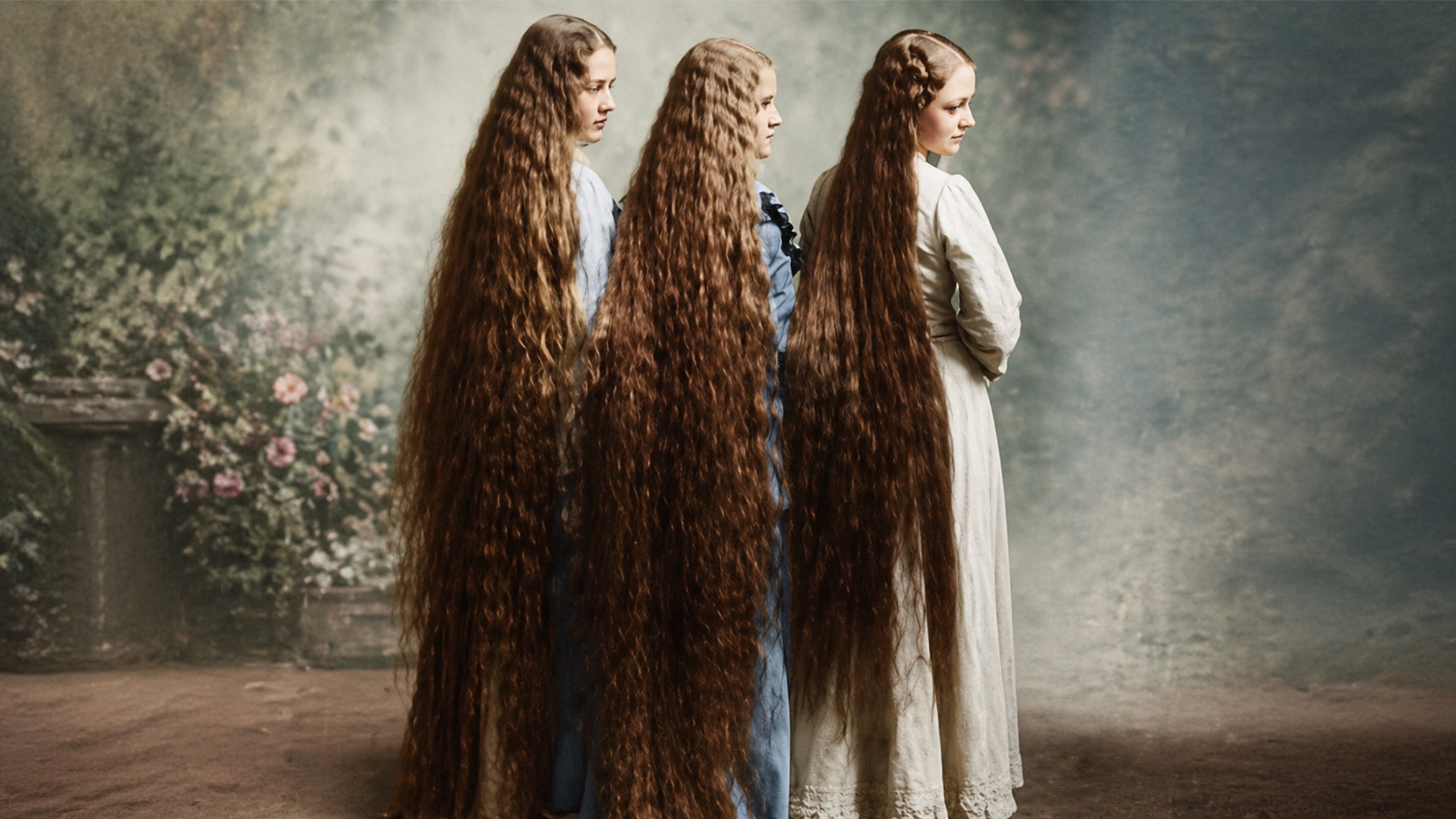
Pentecostal Hairstyle Doctrine
Dionysian worship in ancient Corinth provides important background for understanding Paul's instructions about women praying or prophesying with uncovered heads in 1 Corinthians 11, because the cult of Dionysus emphasized ecstatic worship, intoxication, mystery initiation, female frenzy, loosened hair, ritual madness, and symbolic death-and-rebirth practices that sharply contrasted with ordered Christian worship; later Pentecostal interpretations often detached Paul's comments from this Greco-Roman religious setting and turned the passage into a rule against women cutting their hair, even though the Corinthian issue appears more closely tied to public worship, veiling, sexual and religious signaling, and the rejection of pagan ecstatic customs rather than a universal ban on hair trimming.
In Greek mythology, Dionysus was the mythical son of Zeus and a mortal female. Ancient Corinth was a center for Dionysian worship. According to second-century world traveler Pausanias, two statues of Dionysus stood in the Corinthian market in ancient tradition.[1] The ancient Greeks viewed madness as an important aspect of worship, especially the women of the Dionysus cult, or Maenads. The women exalted “him of the orgiastic cry, exciter of women, Dionysus, glorified with mad honors”.[2] In religious ecstasy, women pulled the pins from their hair and let their hair flow down like the mythic Maenads.[3] When the early converts in Corinth adopted Christian worship, this apparently presented a problem; The Apostle Paul dedicated several sentences in 1 Corinthians 11 to a “woman who prays or prophesies with her head uncovered”.[4] Paul admitted that “ we have no such custom, neither the churches of God.”[5] Interestingly, the English word “maniac” and “Maenad” share similar roots.[6]
Dionysian cults were among the ancient religions known as “mystery religions” for the secrets reserved for converts initiated into the sect. As a result, many of the secrets held by converts were lost to time. One thing we do know is that rituals known as the “Dionysian Mysteries”, a ritual practiced by the cult to enter into religious ecstasy. It is believed that psychoactive ingredients were mixed with the wine, assisting in the euphoric state.[7]
After entering into an altered state of consciousness through intoxication, sexual activity or other means, members of the cult performed ritualistic displays representing death and a new birth. These rituals, representing the death of the vine in the fall and the return of the vine in the spring, caused the women in the cult to “ran, screamed, and danced through forests, eating live animals, and decorating themselves with vines and grapes.”[8] Dionysian faithful believed that by consuming live animals, they “incorporated” Dionysus within themselves.[9]
The Roman counterpart to Dionysus in Roman mythology was Bacchus, the son of Jupiter and Semele. Like Dionysus, Bacchus was the god representing the intoxicating power of wine. Along with this, however, Bacchus represented social and beneficent influences. In the late third century BC, Rome adopted the Dionysus mystery cult as part of the Roman state religion.[10] As a result, Dionysus/Bacchus “mysteries” quickly spread throughout the ancient world. Especially during the expansion of the Roman Republic.
The Pentecostal faith, unaware of the context of the mythology in ancient Corinth, understood the passage to mean that women should not cut their hair — even though Paul's letter stated, "For if a woman is not veiled, let her also be shorn"[11]