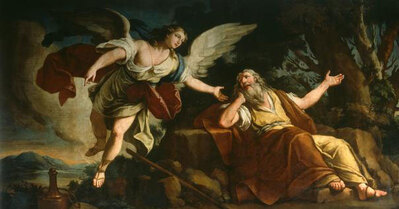
The Elijah Prophet Myth: William Branham, Restoration Theology, and Control
William Branham’s claim to embody the spirit of Elijah developed gradually through restorationist theology, culminating in an end-time messenger doctrine that redefined biblical authority and spiritual legitimacy. Rooted in ideas drawn from British Israelism and echoed in Christian Identity thought, this framework produced profound theological errors and fostered authoritarian control, gender policing, and suppression of dissent.
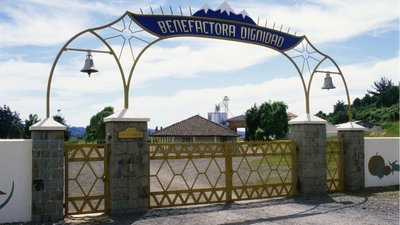
From Branham's Healing Revival to Armed Cult: The Dark Legacy of Colonia Dignidad
Colonia Dignidad was not an isolated aberration but the product of apocalyptic fear, authoritarian control, and religious absolutism exported through William Branham’s Message movement. By tracing the shared roots connecting Branham, Jim Jones, and Paul Schäfer, the narrative shows how prophetic claims and revivalist rhetoric became tools for psychological domination, abuse, and violence.
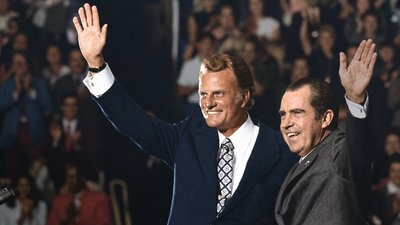
Billy Graham: From Youth for Christ to National Power
Billy Graham’s city-wide crusade model—built on interdenominational cooperation, centralized planning, and campaign-style evangelism—helped normalize a scalable parachurch ecosystem while also becoming a symbolic benchmark that adjacent revival networks (including figures like Branham and environments like Peoples Temple promotions) could invoke for legitimacy. Your excerpt then traces Graham’s visible proximity to Cold War political power through declassified references and public civic spectacle, and concludes by contrasting his public reputation on race with later-documented private antisemitic remarks and their fallout.
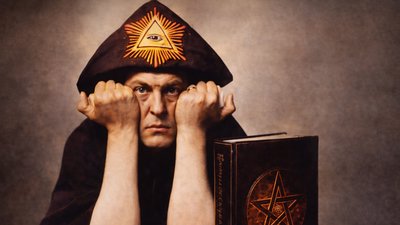
Aleister Crowley: From Thelema to Latter Rain
Aleister Crowley’s Thelemic teachings on celestial and “light” bodies, progressive revelation, and spirit communication significantly shaped Western esotericism, and many of these themes filtered—directly or indirectly—into the Latter Rain movement through figures like William Branham. Both Crowley and Branham drew on older occult and mystical concepts such as astral bodies, heavenly watchers, and angelic guidance, resulting in striking doctrinal parallels between Thelema and mid-century Pentecostal mysticism.
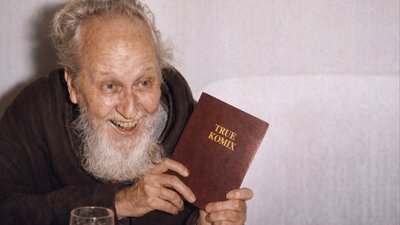
David Berg and William Branham: The Prophetic Roots of the Children of God
David Berg, founder of the Children of God cult, repeatedly credited William Branham and the Latter Rain movement as decisive influences on his theology, prophetic worldview, and rejection of denominational Christianity. This analysis traces how Branham’s prophecies, eschatology, angelology, and racial doctrines were absorbed, adapted, and radicalized within Berg’s movement, contributing to its apocalyptic ideology and abusive practices.
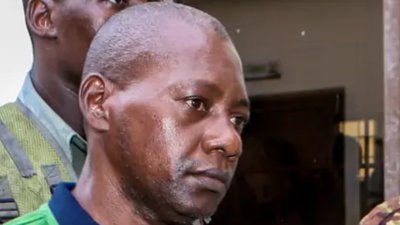
Paul Mackenzie
Paul Nthenge Mackenzie, pastor of Good News International Church in Kenya, led the Malindi Cult, a William Branham Message sect whose apocalyptic teachings helped produce the Shakahola Massacre. Drawing from Branham's end-time theology, anti-system preaching, Serpent Seed doctrine, and Latter Rain fasting traditions, Mackenzie convinced followers that starvation could purify them and hasten their entrance into heaven, leading to mass deaths, shallow graves, allegations of torture, sexual abuse, organ harvesting, and terrorism investigations. Kenyan authorities later found Branham materials among the group, including Swahili translations of Branham sermons, while President William Ruto denounced the sect as terrorism. Mackenzie's movement shows how Branham's doomsday theology, when combined with authoritarian control and extreme fasting practices, could become a mechanism for mass manipulation, bodily destruction, and death.

Axl Rose and the Latter Rain: Childhood Trauma in a Postwar Pentecostal Subculture
Axl Rose’s formative years in an Indiana Pentecostal church shaped by the Latter Rain movement and William Branham’s “Message” cult exposed him to severe physical, emotional, and sexual abuse under a rigid, authoritarian form of religiosity. That traumatic religious environment left enduring psychological scars that fueled his rejection of organized religion and profoundly influenced his artistic identity, themes, and lyrics.

Joanna Southcott
Joanna Southcott was an English religious prophetess whose late eighteenth- and early nineteenth-century movement centered on visions, sealed prophecies, apocalyptic expectation, and the belief that she had a special role in God's end-time plan, including her claim late in life that she would give birth to a messianic child, making her one of the most striking examples of how prophetic authority, millenarian hope, symbolic revelation, and devoted followers can form a powerful religious movement around failed expectation.
Jane Lead
Jane Ward Lead, also known as Jane Leade, was an English mystic and central figure in the Philadelphian Society whose visions, dreams, Behmenist theology, Sophia mysticism, universal restorationism, and teaching about a coming purified "Virgin-Church" deeply influenced later restorationist and Latter Rain streams; through her Sixty Propositions, her connection to the House of David tradition, and later use by figures such as George Hawtin, her ideas helped supply language for end-time overcomers, hidden revelation, manifest sons, spiritual elites, restored priesthood, miraculous power, and a perfected church that would become visible before Christ's return, themes later echoed in William Branham's theology and in destructive movements such as Peoples Temple and Colonia Dignidad.
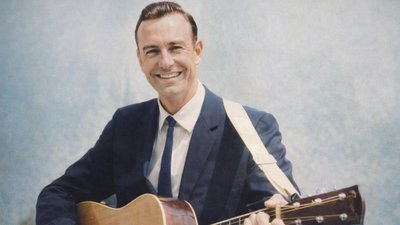
David Terrell and the Rise of Post-Branham Revivalism
David Terrell emerged from mid-century Pentecostal revival culture to become a nationally known tent evangelist whose ministry was marked by large crowds, amplified spectacle, and repeated conflict with civil authorities. Newspaper records and court proceedings trace how his revival campaigns evolved into a movement shaped by apocalyptic expectation, legal defiance, and increasing personal authority over devoted followers.
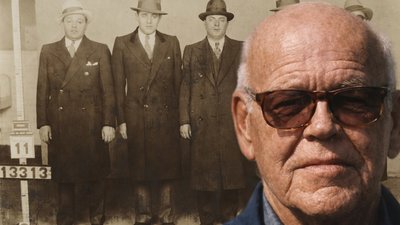
Dub Hagin: The Ex-Gangster Testimony That Fueled the Word of Faith Revival
Dub Hagin rose to prominence within Word of Faith and Full Gospel circles as an itinerant speaker whose authority rested almost entirely on claims of a dramatic criminal past, amplified by his relationship to Kenneth Hagin and revival-era testimonial culture. This examination traces how Hagin’s underworld narrative was promoted, escalated, and sustained within charismatic networks that rewarded sensational conversion stories over historical verification.
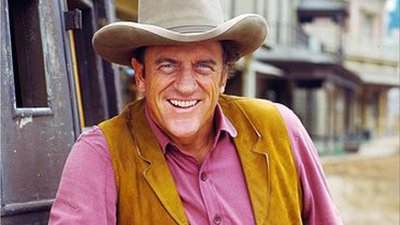
Matt Dillon
Marshall Matt Dillon was a fictional western lawman from Gunsmoke, played on television by decorated World War II veteran James Arness and shaped by the legacy of real Dodge City marshals rather than by a single historical figure. The program, which ran as a radio and television western, sometimes addressed themes such as racism and religion during the Civil Rights era, drawing criticism from reactionary audiences even as Arness later described those themes as groundbreaking for television. William Branham attacked Gunsmoke as a corrupting influence and treated Matt Dillon as though he were a real historical figure, falsely claiming that Dillon was a coward who murdered innocent men from ambush near Dodge City. Branham's comments reveal both his hostility toward popular culture and his willingness to invent or repeat false history when using entertainment as a moral warning.
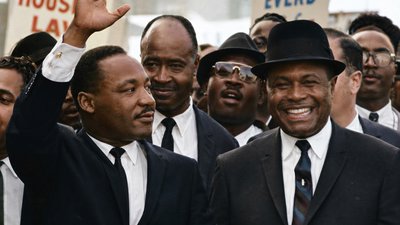
C. L. Franklin: Civil Rights to Branham's Stolen Sermon
Rev. C. L. Franklin’s famous sermon “The Eagle Stirreth Her Nest,” rooted in the African American Baptist tradition and popularized through recordings in the 1950s, became a defining message of spiritual maturity and struggle long before William Branham reused its title and imagery. Branham’s later adaptation not only ignored its historical and cultural origins but also built upon a demonstrably incorrect reading of Leviticus, turning the eagle metaphor into a central pillar of his cult theology.
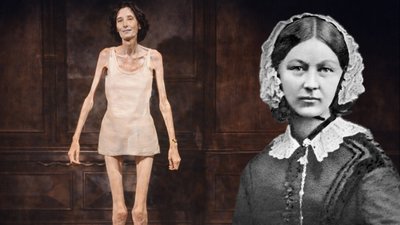
Florence Nightingale: How Name-Dropping Built Authority in Healing Revivals
William Branham repeatedly invoked the name Florence Nightingale to lend authority and emotional weight to his healing claims. This examination traces how cultural reverence, visual persuasion, and narrative repetition combined to suppress skepticism and reinforce psychological control.

Antonio Montella: The Mobster, the Message, and the YouTube Video That Exposed It All
Italian authorities captured fugitive mob figure Antonio Montella after discovering a YouTube video showing his baptism into the William Branham “Message” movement, which provided investigators with enough geographic and contextual clues to locate his hiding place. His arrest unfolded amid a major ‘Ndrangheta drug-trafficking crackdown, highlighting an unusual intersection between organized crime and a controversial religious sect.
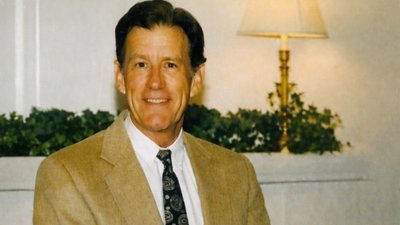
Floyd Patterson and the Business Architecture of William Branham’s Message
Floyd W. Patterson Jr. functioned as a key local custodian of William Branham’s Message by combining pastoral leadership with extensive commercial operations in northern Arizona. Public records show how business ownership, corporate governance, and civic visibility reinforced a personalized authority structure that sustained Branham’s cult-of-personality after his death.

Chuck Rinkle, Sarah Branham, and the Business Side of the Branham Legacy
Charles “Chuck” Rinkle’s connection to the Branham family began with a broken engagement marked by accusations, internal family intervention, and rigid control over reputation. His later association with Believers International reveals how personal conflict, family authority, and nonprofit corporate structures intersected to preserve Branham-era power long after William Branham’s death.
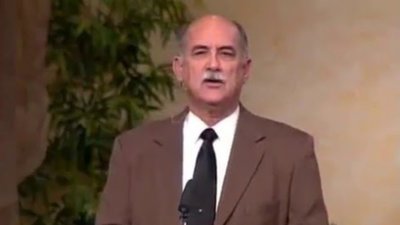
George Smith: Defender of the Undefendable
George Smith, son-in-law to William Branham, emerged as one of the most influential yet overlooked architects of the Message movement’s posthumous theology, transforming unresolved contradictions into institutionalized mystery. Through editorial control, narrative harmonization, and eventually metaphysical explanations that defied history itself, Smith helped construct a belief system designed not for coherence, but for survival against scrutiny.
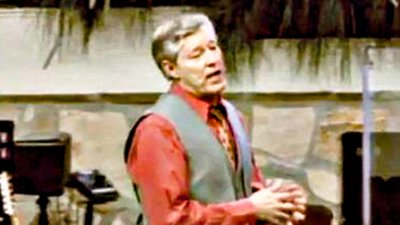
Donny Reagan: A Case Study of Racism in Branham Cult Leadership
Donny Reagan’s viral sermon opposing interracial marriage revealed the continued influence of William Branham’s racial theology within contemporary churches aligned with the Branham movement. Media coverage, church defenses, and Reagan’s own quotations demonstrate that the controversy was not an isolated incident but a modern expression of a long-standing doctrinal system rooted in segregationist beliefs.
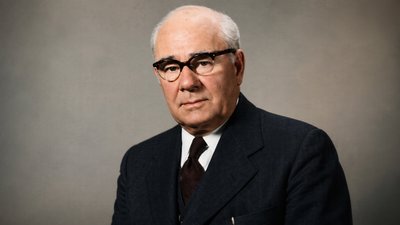
William Sowders
William Sowders was a Louisville-area Pentecostal minister, founder of the Gospel Assembly Church and School of the Prophets in Shepherdsville, Kentucky, and leader of a restorationist sect sometimes called "The Latter Rain" before the better-known postwar Latter Rain revival emerged; his influence is significant because William Branham encountered Sowders's School of the Prophets through John Ryan, absorbed or paralleled several restorationist themes, and later echoed similar claims about prophetic calling, Oneness theology, Ohio River supernatural signs, bridal preparation, special anointing, and end-time authority, making Sowders an important regional precursor to Branham's later Message and Latter Rain stage persona.
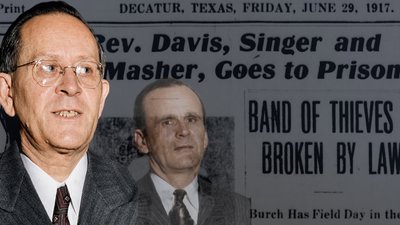
Roy E. Davis
Rev. Roy E. Davis Sr. was a Baptist and Pentecostal preacher, founder of the Pentecostal Baptist Church of God, mentor and ordaining pastor of William Branham, and a lifelong organizer in white supremacist movements, serving under William Joseph Simmons in the reborn Ku Klux Klan, helping form the Knights of the Flaming Sword, and later becoming a nationally recognized leader of the Original Knights of the Ku Klux Klan; his career connected criminal scandal, religious fraud, gospel music, fundamentalist revivalism, Pentecostal sect-building, orphanage fundraising schemes, Klan reorganization, and Branham's early ministry, making Davis one of the clearest links between Branham's origins, Pentecostal restorationism, Christian nationalism, and organized white supremacy.
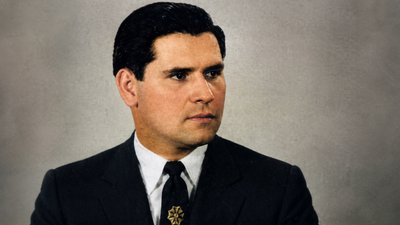
Richard Blair
Rev. Richard Blair was a leading figure in William Branham's "Message" movement in rural Louisiana, where his leadership helped transform a Pentecostal dispute in Singer into the formation of the Bible Tabernacle in Juanita, a congregation increasingly shaped by Branham's teachings. Blair became especially controversial in 1966 after Branham's failed Los Angeles tidal wave prophecy convinced many of his followers that disaster was imminent, prompting as many as 40 families to sell homes, livestock, and belongings and flee toward Arkansas and Missouri in search of safety. The prophecy's failure left lasting damage, fracturing the Juanita community, uprooting families, and exposing the destructive consequences of prophetic fear within Branham's movement.
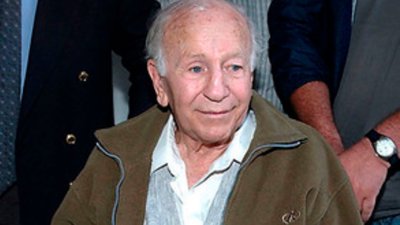
Paul Schafer Schneider
Paul Schafer Schneider was the founder of Colonia Dignidad, a German Pentecostal-Message splinter commune in Chile that outwardly resembled a conservative religious settlement but became a system of authoritarian control, child sexual abuse, torture, weapons production, sarin gas possession, right-wing intelligence activity, and international crime; recruited into William Branham's Message orbit during Branham's 1955 German meetings and later influenced by Branham's end-time prophecy, misogyny, Manifested Sons of God authority, and claims of exclusive truth, Schafer used Branham-like doctrines of spiritual elitism, female inferiority, obedience, and divine authority to dominate followers, while later Ewald Frank's Branhamite influence helped pull many former Colonia Dignidad members into another Message-based sectarian framework.
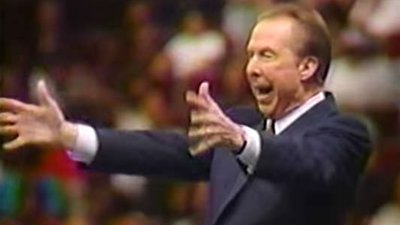
John Osteen
John Osteen, father of Joel Osteen, was a Houston minister whose early ministry intersected with the Full Gospel Businessmen's Fellowship International, Demos Shakarian, William Branham's healing revival network, and the Latter Rain-influenced circles that also produced more extreme offshoots such as Jim Jones and Peoples Temple; through Shakarian's financial support, his appearances in Branham-related meetings, his connections to Life Tabernacle, and his participation with Branham in efforts such as the Leslie Douglas Ashley clemency petition, Osteen's career illustrates how mid-century Full Gospel, healing revival, business fellowship, and Message-adjacent networks helped shape later charismatic and prosperity-oriented ministries.
No records found.