
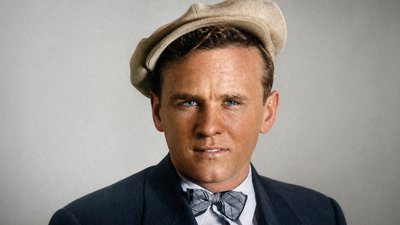
William Branham
William Marrion Branham was a Jeffersonville Pentecostal minister and postwar healing-revival figure whose public ministry developed into the destructive religious movement known as the Message, a Branham-centered sect rooted in the Pentecostal network of Roy E. Davis and shaped by Branham's evolving prophetic claims, racial doctrines, and self-mythologized life story. His documented history conflicts sharply with later versions of his stage persona, including altered birth details, embellished childhood poverty, supernatural origin stories, exaggerated healings, and claims of buried prophecies, while his early connections to Prohibition-era crime, Davis' Ku Klux Klan activity, William D. Upshaw's staged healing, and the Voice of Healing revivals helped launch his fame. As Branham's healing credibility declined, he increasingly presented himself as the end-time Elijah, promoted doctrines tied to Christian Identity and Serpent's Seed theology, attacked civil rights, condemned interracial marriage, and eventually encouraged followers to view him as the return of the Son of Man. After his death in 1965, Branham's teachings continued through splinter groups and cultic communities, influencing figures such as Jim Jones and producing a legacy marked by authoritarian control, failed prophecy, racial extremism, abuse scandals, and enduring religious mythology.
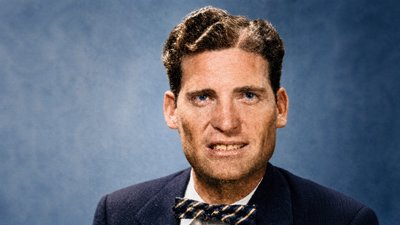
Waymon Rodgers
Waymon Rodgers was an Assemblies of God minister whose Owensboro-based Evangel Tabernacle became a significant bridge between the postwar healing revival, Latter Rain networks, William Branham's ministry, later charismatic renewal, and New Apostolic Reformation-adjacent streams, as Rodgers continued hosting Branham and other revival figures even as denominational leaders distanced themselves from Latter Rain teaching; his legacy combined church growth, healing-revival celebrity, fundraising controversies, and later apostolic-political influence through his son Bob Rodgers, whose election-related curses and Seven Mountain-style rhetoric illustrate how revivalist authority, prophetic militancy, and charismatic political activism continued developing from those earlier networks.
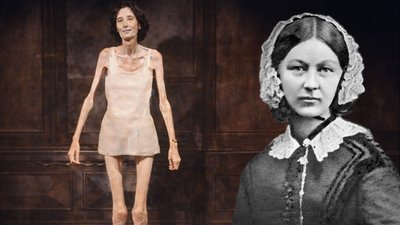
Florence Nightingale: How Name-Dropping Built Authority in Healing Revivals
William Branham repeatedly invoked the name Florence Nightingale to lend authority and emotional weight to his healing claims. This examination traces how cultural reverence, visual persuasion, and narrative repetition combined to suppress skepticism and reinforce psychological control.
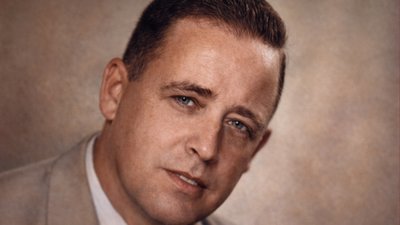
Estle Beeler: The Trusted Evangelist Inside William Branham’s Inner Circle
Estle Beeler functioned as an evangelist, pastor, and trusted associate within William Branham’s Message movement, with his authority consistently framed through Branham’s public endorsements and doctrinal alignment. Contemporary sermons and later historical synthesis show Beeler’s ministerial identity was shaped by proximity, loyalty, and integration into Branham’s inner ministerial network rather than independent leadership.
Operation Condor
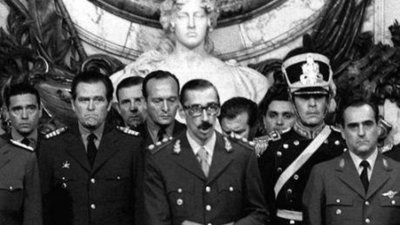
Operation Condor was a U.S.-backed anti-communist intelligence and terror campaign formally organized by South American right-wing dictatorships in 1975, but the ideological groundwork described here reaches back into Cold War evangelical networks where political leaders such as Richard Nixon appealed to Full Gospel and healing-revival ministers to fight communism as a battle for the minds, hearts, and souls of people; within that environment, William Branham's ministry became a religious propaganda vehicle for anti-communist fear, doomsday prophecy, and global influence, while later Message-linked figures and networks connected to Chile, Colonia Dignidad, Paul Schafer, Gerhard Mertins, and right-wing operations show how Branhamite restorationism, anti-communist extremism, and authoritarian religious systems could overlap with international political violence.
William Branham and the Floating Bible Story That Wasn't His
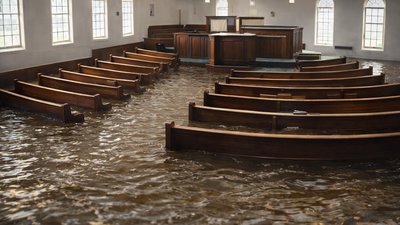
William Branham often cited the 1937 Ohio River flood as evidence of divine validation, telling audiences that his Bible was miraculously preserved. Contemporary newspaper records, however, reveal that the core elements of this story originated from a documented incident at a different church, reframed over time as a personal miracle.
No records found.