
Racketeering
Racketeering describes organized criminal schemes built around coercion, fraud, extortion, or other illegal methods of obtaining money, and several figures or institutions connected to William Branham's movement were accused of such activity. Roy E. Davis, who became an early influence on Branham, was already facing charges for "religious racketeering" when Branham joined with him, while decades later Wayne Evans and Voice of God Recordings were named in a racketeering lawsuit by the Tohono O'odham Nation over funds allegedly diverted through a construction company to support Branham sermon distribution. Related Branhamite splinter movements also faced racketeering allegations, including claims against Berniece Hicks involving fraudulent religious representations and financial injury through tithing, showing how Branham-connected networks repeatedly intersected with accusations of organized religious fraud and financial exploitation.
Racketeering is a specific type of organized crime, one in which the parties involved set up a coercive, fraudulent, extortionary, or otherwise illegal scheme to get money. This operation, nicknamed a "racket", is criminal. The term "racketeering" was coined by the Employers' Association of Chicago in June 1927 in a statement about the influence of organized crime in the Teamsters union.[1] Not all parties involved are found guilty or convicted.
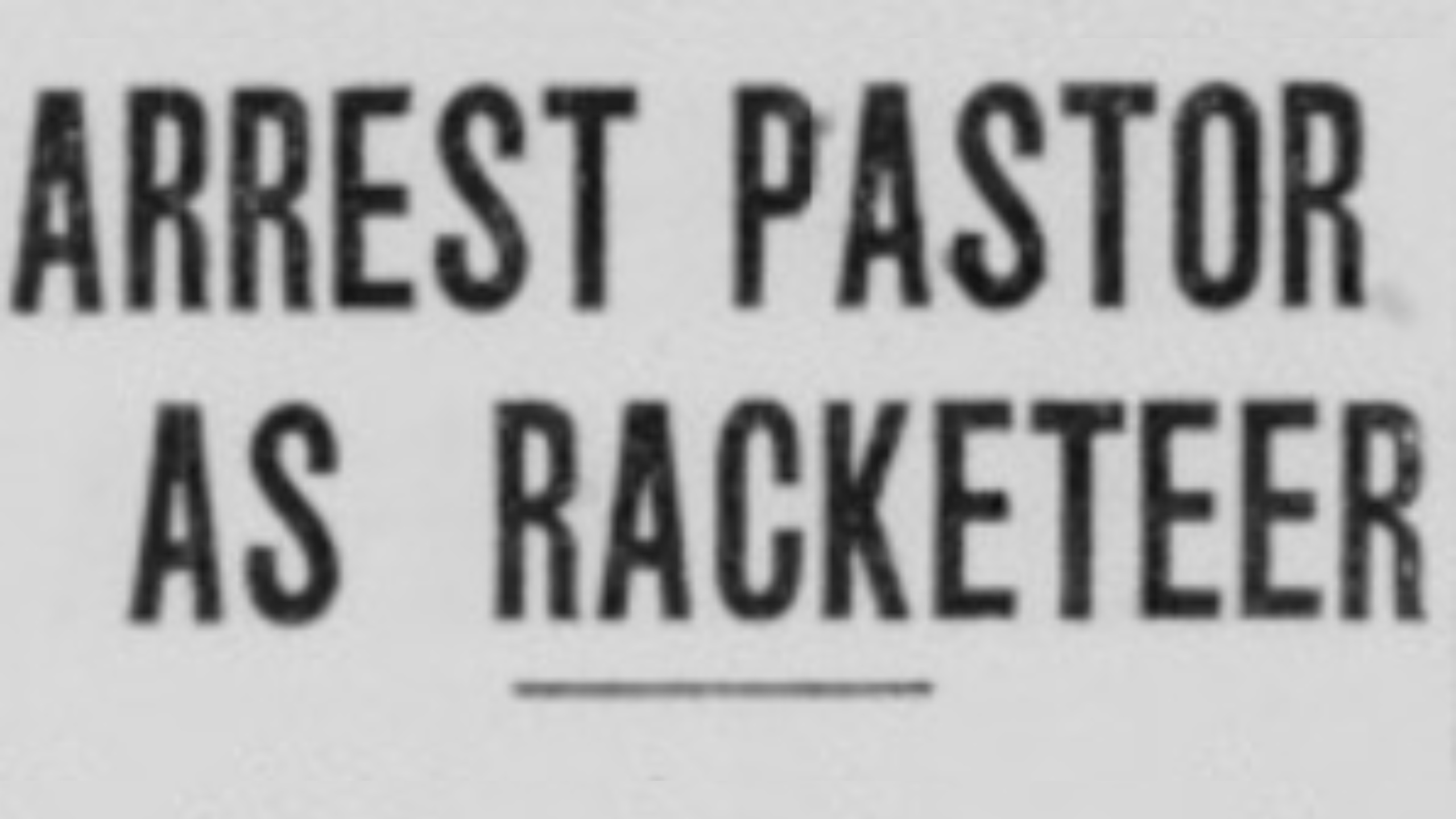
At the time William Branham joined forces with Roy E. Davis,[2] Davis was facing criminal charges for "religious racketeering".[3]
In 1997, Wayne Evans and Voice of God Recordings were the defendants in a lawsuit filed by the Tohono O'odham Indian Nation who accused Voice of God Recordings, Evans, and others of racketeering.[4] Evans had diverted $820,000 from the Tohono O'odham Indian Nation to Voice of God Recordings.
The tribe alleges that Wayne C. Evans diverted the tribe's money to a construction company he controlled and then had the company give $820,000 to Voice of God Recordings, Inc. when he was the manager of the Tohono O'odham Farming Authority. The Voice of God, based in Jeffersonville, Ind., distributes tapes of William Branham's semrons. Followers of the late Pentecostal preacher believed he could heal the sick and bring the dead to life. Evans, 57, has been a follower of Branham's religious sect since he was 10. The tribe filed a racketeering lawsuit against Evans, Voice of God, and others in federal court in Tucson several weeks ago.
- 1997, Sept 29. Tribe Sues 'Voice of God' follower in Tucson Court. The Deming Headlight.
Some of the splinter groups that branched from William Branham's "Message" cult following were also involved with criminal racketeering. Berniece Hicks, an elder in Branham's church who later became the central figure of her own "Message" sect, fought legal battles to evade conviction or paying damages in civil suits.
Plaintiff claims that the following actions constitute RICO violations. Concerning Hicks, Scheppegrell alleges that she "engaged in a pattern of racketeering activity by fraudulently promulgating worldwide, by mail and wire, that she had face-to-face, 'in the flesh' meetings with Jesus Christ. {...} The only concrete financial injury alleged by Scheppegrell is his tithing of $22,000 as a result of Hicks's allegedly unlawful activities. [5]